Why Custom Metalwork Should Be Involved Early in the Design Process
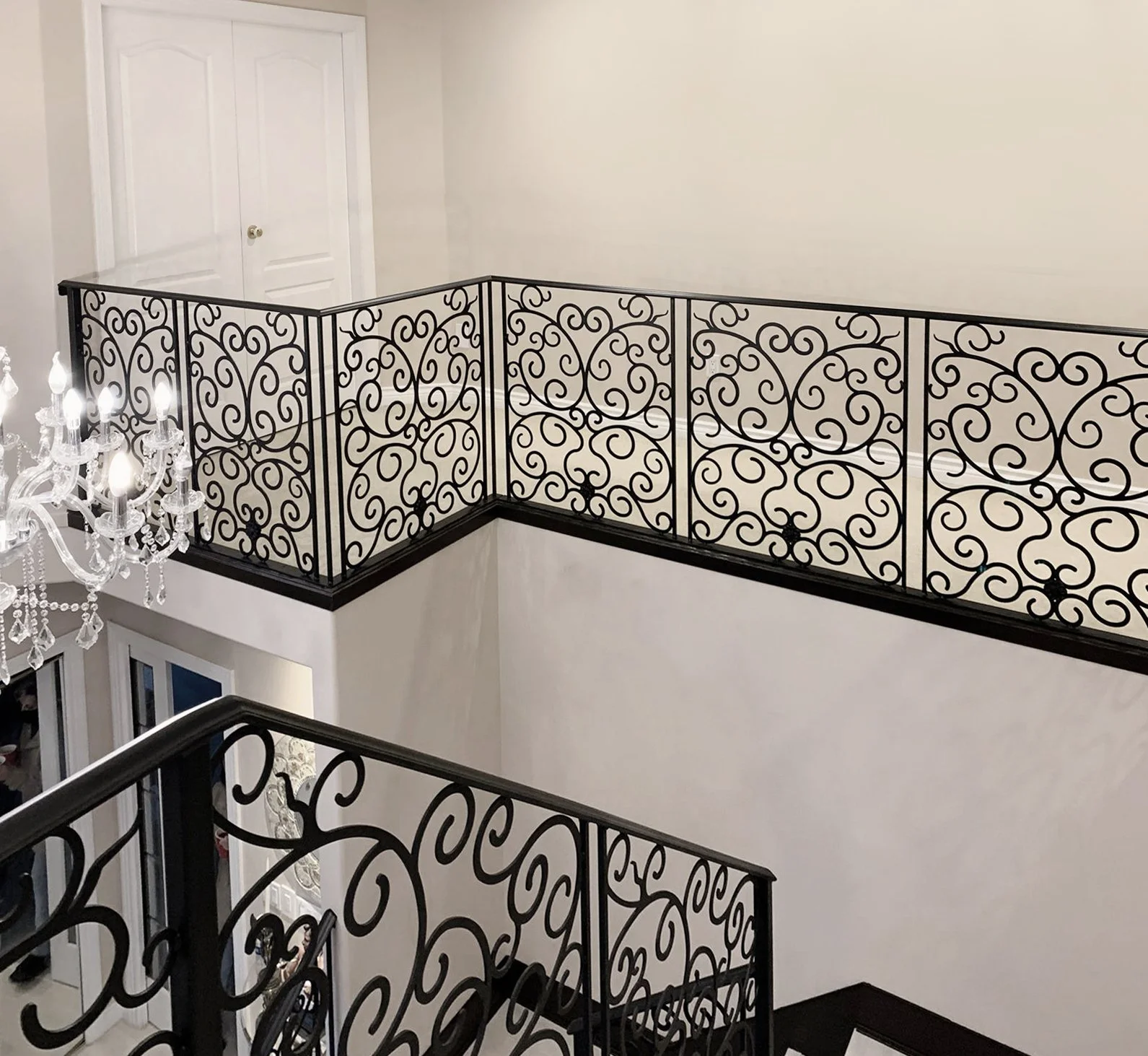
In custom residential and commercial projects, architectural metalwork is often considered near the end of the design or construction process. However, involving a metal fabricator early can make a significant difference in the final result, project timeline, budget, and overall build quality.
Custom railings, gates, staircases, guardrails, decorative screens, and architectural metal features are not just finishing details. They often require structural coordination, accurate measurements, proper attachment points, code compliance, finishing decisions, and careful planning with other trades.
Better Coordination With the Design Team
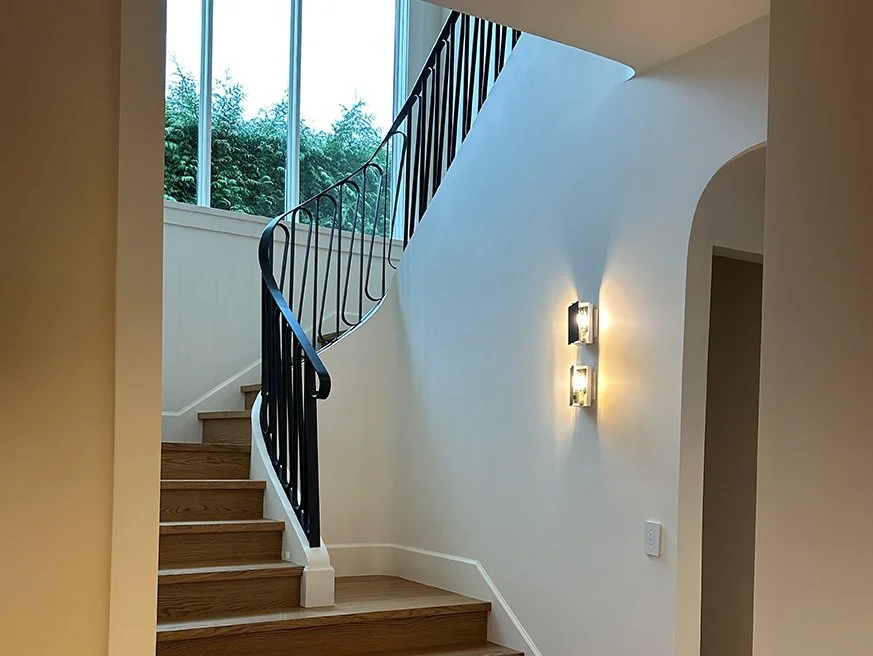
When custom metalwork is discussed early, architects, designers, builders, and fabricators can coordinate important details before construction reaches a critical stage.
This includes:
Attachment points
Wall and floor conditions
Stair dimensions
Guardrail height and spacing
Gate swing or sliding direction
Drainage and exterior exposure
Finish selection
Structural support requirements
Early coordination helps avoid last-minute changes and ensures the metalwork fits properly with the overall design intent.
Fewer Site Issues and Delays
Many project delays happen because important details were not considered early enough. For example, a railing may require blocking inside a wall, a gate may need proper post foundations, or a staircase may need additional structural coordination.
If these details are reviewed early, the team can prevent costly adjustments later.
A clean and simple final look often requires detailed planning behind the scenes.
More Accurate Budgeting
Custom metalwork can vary significantly depending on material, design complexity, finish, installation condition, and site access.
When a metal fabricator is involved early, the project team can better understand the cost difference between different design options.
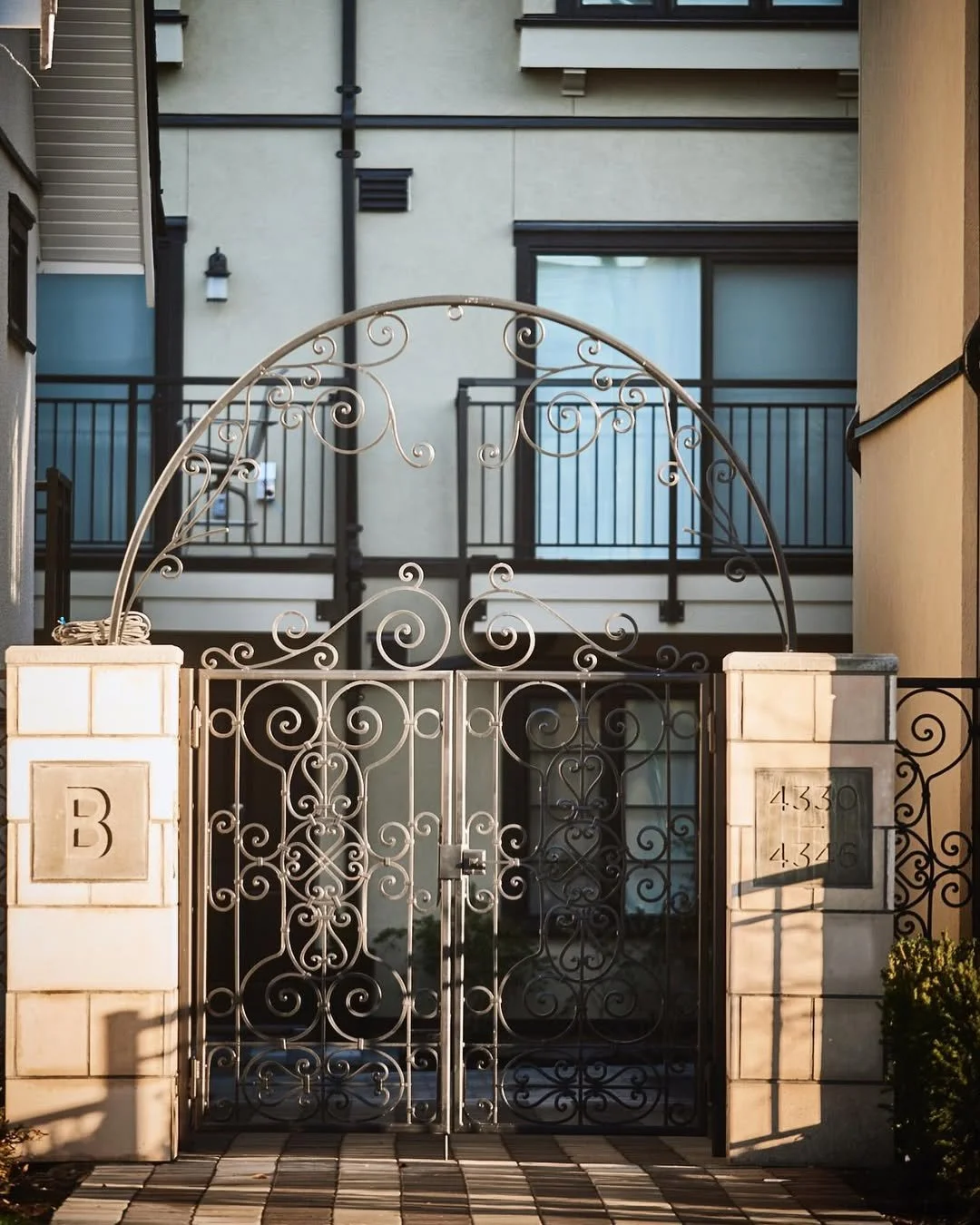
For example, a small design change in a railing, gate, or staircase can affect:
Material cost
Fabrication time
Welding and finishing
Powder coating or painting
Installation method
Engineering requirements
Early input helps the client and project team make better decisions before the design is finalized.
Better Code Compliance
Railings, guardrails, staircases, gates, and exterior metalwork often need to meet building code and safety requirements.
This can include height, spacing, load requirements, handrail grip size, glass requirements, and other technical details depending on the project.
By involving a metal fabricator early, the design can be reviewed with practical construction and code considerations in mind.
Cleaner Final Appearance
High-quality custom metalwork is not only about strength and safety. It is also about clean lines, proper proportions, smooth transitions, and a finish that matches the project style.
Early planning allows the design team to hide connections, reduce bulky details, select the right profile sizes, and create a more refined final result.
The best metalwork often looks simple, but that simplicity usually comes from careful planning.
Custom metalwork should not be treated as an afterthought. Whether the project includes railings, gates, staircases, decorative screens, or architectural metal features, early involvement can improve coordination, reduce delays, control costs, and create a stronger final result.
At Iron Age Manufacturing Ltd., we work with architects, designers, builders, developers, and homeowners to support custom architectural metalwork projects from concept to fabrication and installation.
Custom Metalwork for Homes & Businesses.
604-876-0914 info@ironagebc.com
