The History of Metalworking
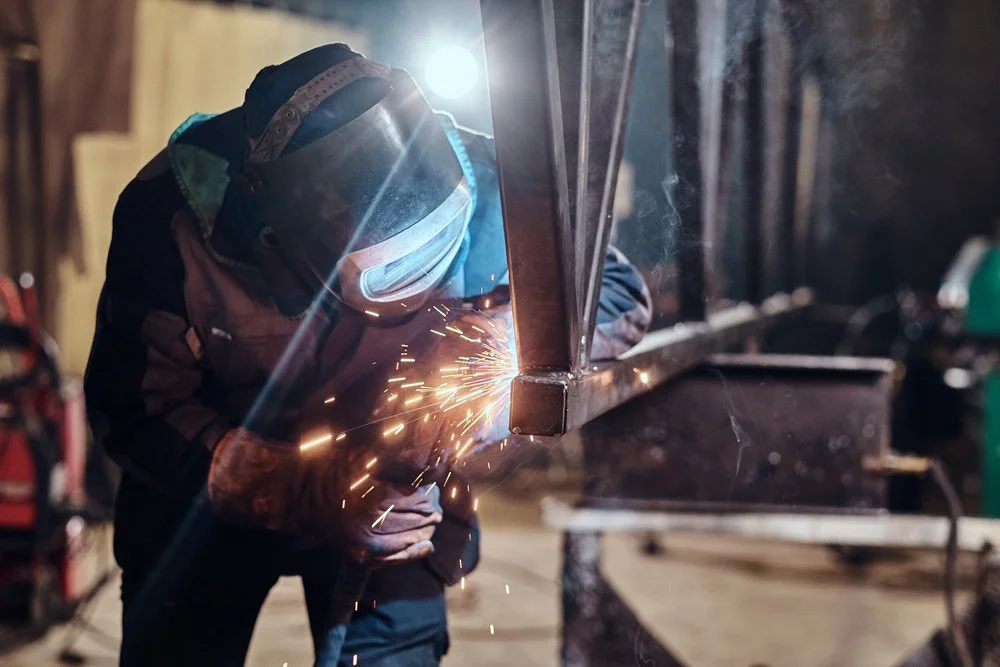
Metalworking is one of the oldest and most essential crafts in human history. At its core, metalworking involves shaping, cutting, joining, and finishing metals to create functional and decorative objects. From early tools and weapons to today’s architectural metalwork, this craft has continuously evolved—driven by innovation, engineering, and design.
Early Beginnings: The First Metalworkers
The origins of metalworking date back thousands of years, when early civilizations discovered how to extract and shape metals like copper and gold. These soft metals were initially hammered into basic forms for tools, jewelry, and ceremonial objects. This period marked the beginning of human control over materials that would later shape entire industries.
The Bronze and Iron Ages
The development of bronze—an alloy of copper and tin—was a major breakthrough. It introduced stronger and more durable tools, leading to advancements in agriculture, construction, and warfare. This era is now known as the Bronze Age.
Later, the discovery of iron and steel transformed metalworking even further. Iron was harder and more abundant, making it ideal for building infrastructure, tools, and structural components. Skilled blacksmiths became essential members of society, forging everything from gates and railings to weapons and machinery.
The Industrial Revolution: A Turning Point
Metalworking saw rapid advancement during the Industrial Revolution. New machinery, mass production techniques, and improved steel-making processes allowed for large-scale fabrication. This era introduced precision engineering and standardized components—laying the foundation for modern construction and manufacturing.
Modern Metalworking: Precision Meets Design
Today, metalworking combines traditional craftsmanship with advanced technology. Techniques such as CNC machining, laser cutting, and precision welding allow for highly customized and complex designs. In architectural applications, metal is used not only for strength and durability but also for its aesthetic value.
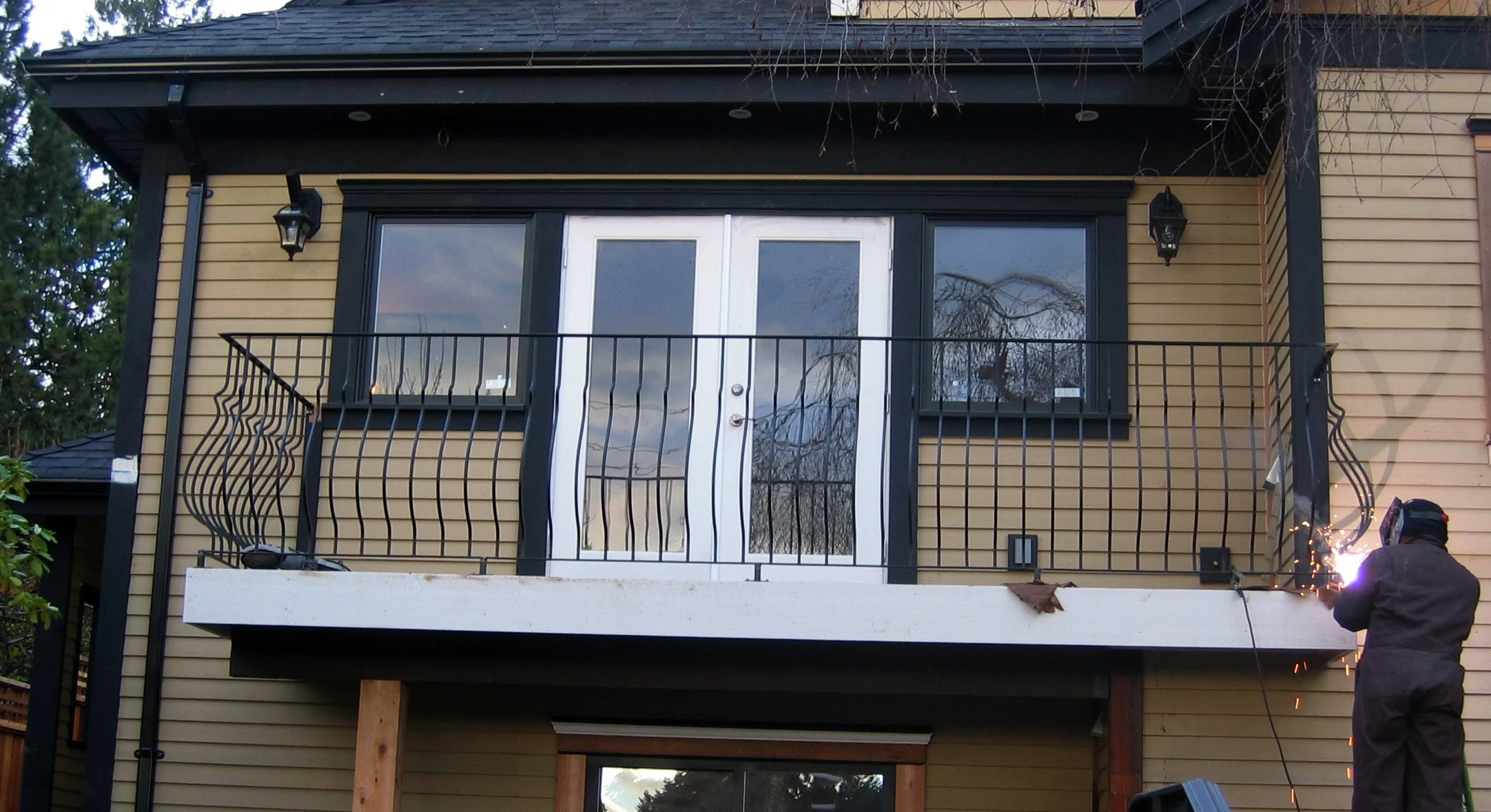
From sleek modern railings and custom staircases to intricate gates and structural elements, metalworking plays a critical role in shaping contemporary spaces. Every project requires a balance of engineering, functionality, and visual design.
Metalworking in Vancouver: Craftsmanship That Lasts
In a city like Vancouver, where architecture blends modern design with natural surroundings, high-quality metalwork is essential. Custom metal fabrication allows homeowners, builders, and designers to create unique features that are both durable and visually striking.
At Iron Age Manufacturing Ltd., metalworking is more than a process—it’s a craft refined through experience. With a focus on precision, durability, and timeless design, each project is built to enhance both residential and commercial spaces.
Final Thoughts
Metalworking has come a long way—from simple hand-forged tools to complex architectural structures. Yet, the essence remains the same: transforming raw metal into something purposeful and lasting.
Whether it’s a custom railing, staircase, or gate, modern metalwork continues to build on centuries of knowledge—bringing together tradition, innovation, and design in every detail.
Custom Metalwork for Homes & Businesses.
604-876-0914 info@ironagebc.com
