What Works Better in Vancouver: Steel or Aluminum Railings?
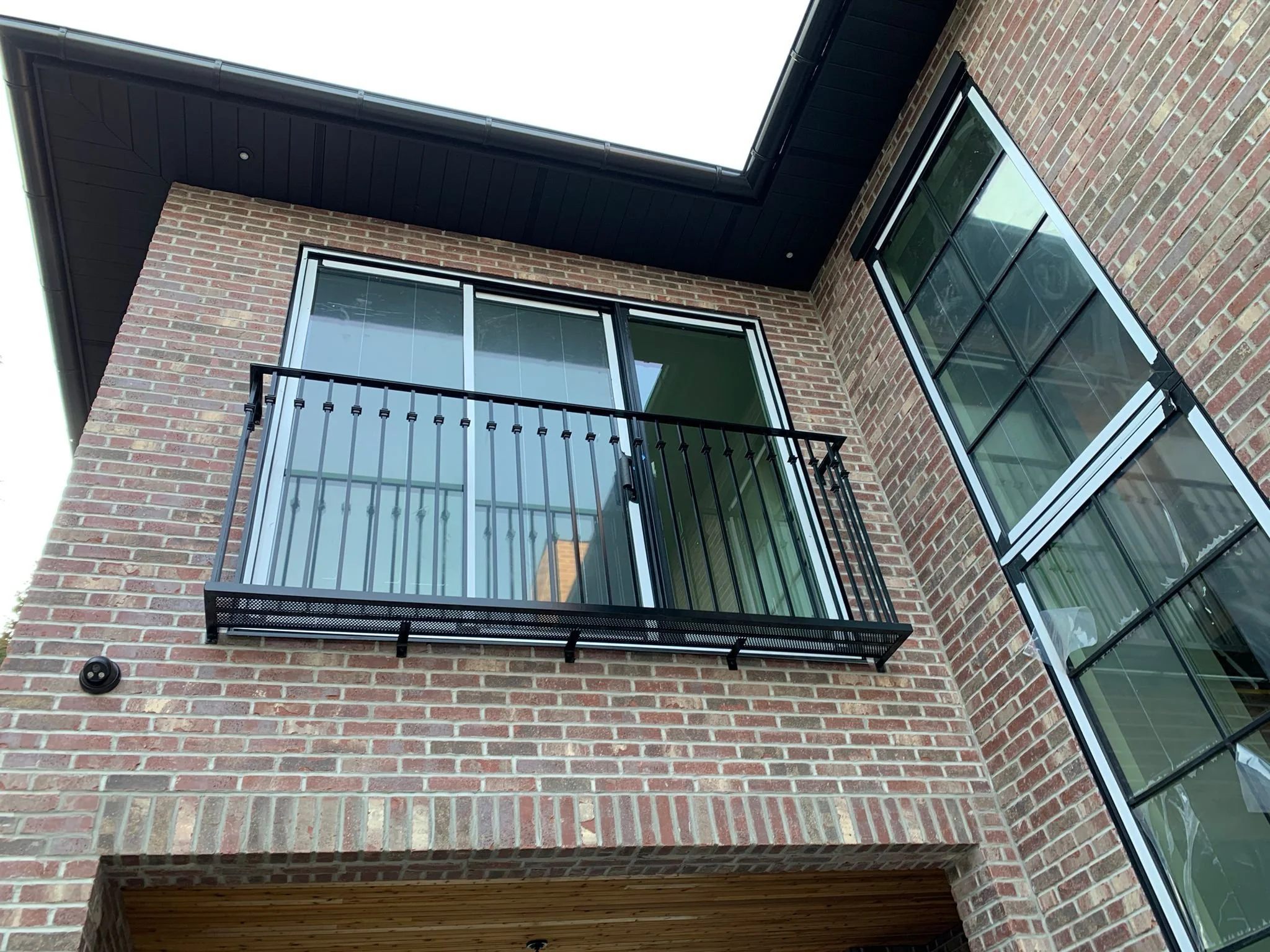
Choosing the right railing material is one of the most important decisions in any exterior or interior metal project. In Vancouver, where weather conditions, moisture, and long-term durability all play a major role, homeowners often ask the same question:
Should you choose steel or aluminum railings?
The answer depends on the type of project, design goals, budget, and environment. Both materials offer unique advantages, and understanding the differences can help you make a more informed decision before starting your project.
Why Material Choice Matters in Vancouver
Vancouver’s climate creates unique challenges for exterior metalwork. Rain, moisture, and temperature changes can affect how materials perform over time, especially if they are not properly fabricated or finished.
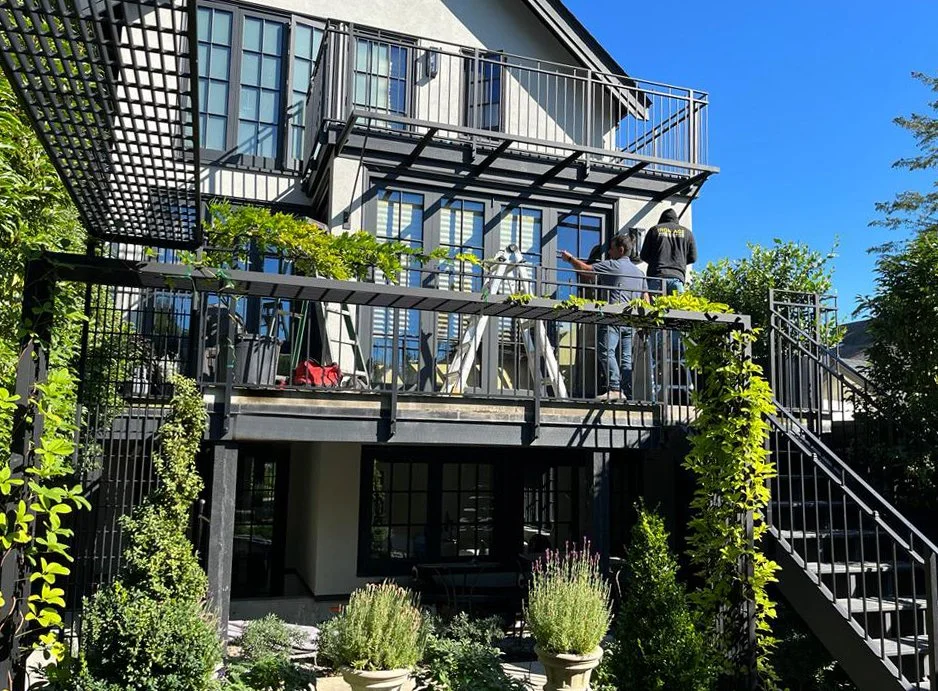
Because railings are exposed to daily wear and environmental conditions, choosing the right material is not only about appearance — it is also about longevity, maintenance, and structural performance.
Steel Railings
Steel remains one of the most popular choices for custom railings because of its strength, flexibility, and architectural appearance. It is widely used in modern homes, commercial spaces, staircases, and exterior applications.
One of the biggest advantages of steel is its structural strength. It allows for slimmer profiles, cleaner detailing, and stronger overall construction. This is one reason many modern architectural railings use steel instead of heavier-looking systems.
Steel is also highly customizable. Whether the project involves minimalist interior railings, decorative exterior gates, or floating staircase systems, steel offers more flexibility in fabrication and detailing.
However, steel does require proper finishing and protection, especially in Vancouver’s wet climate. Without the correct coating or maintenance, exposure to moisture can eventually lead to corrosion.
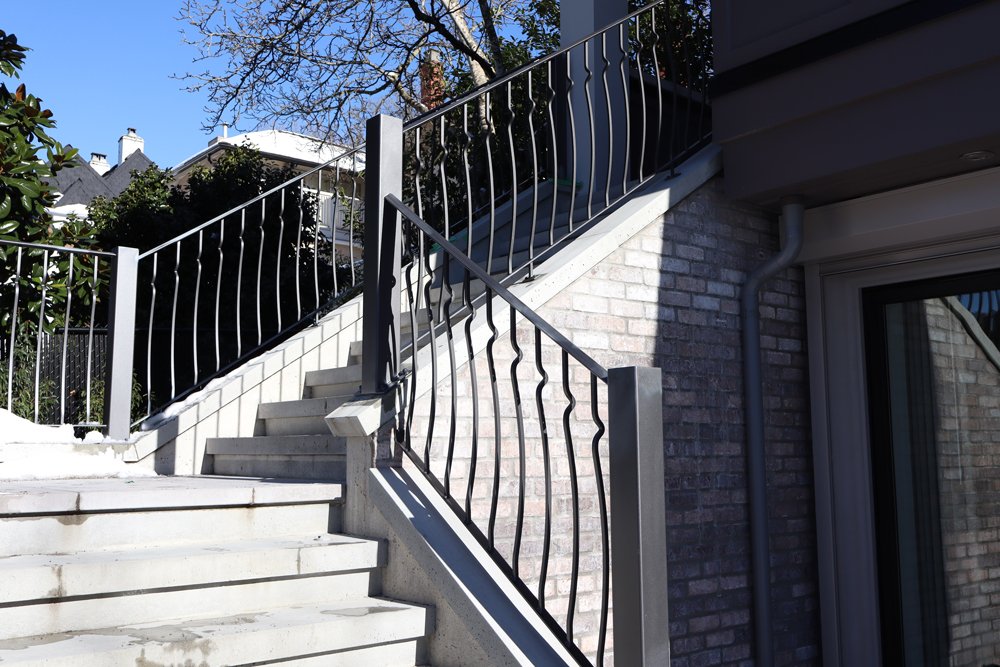
Common finishing options include:
Powder coating
Priming and painting
Galvanizing for exterior protection
When properly finished, steel railings can last for many years while maintaining their appearance and structural integrity.
Aluminum Railings
Aluminum railings have become increasingly popular, particularly for exterior residential projects. One of the main reasons is that aluminum naturally resists rust and corrosion, making it a strong option for wet environments.
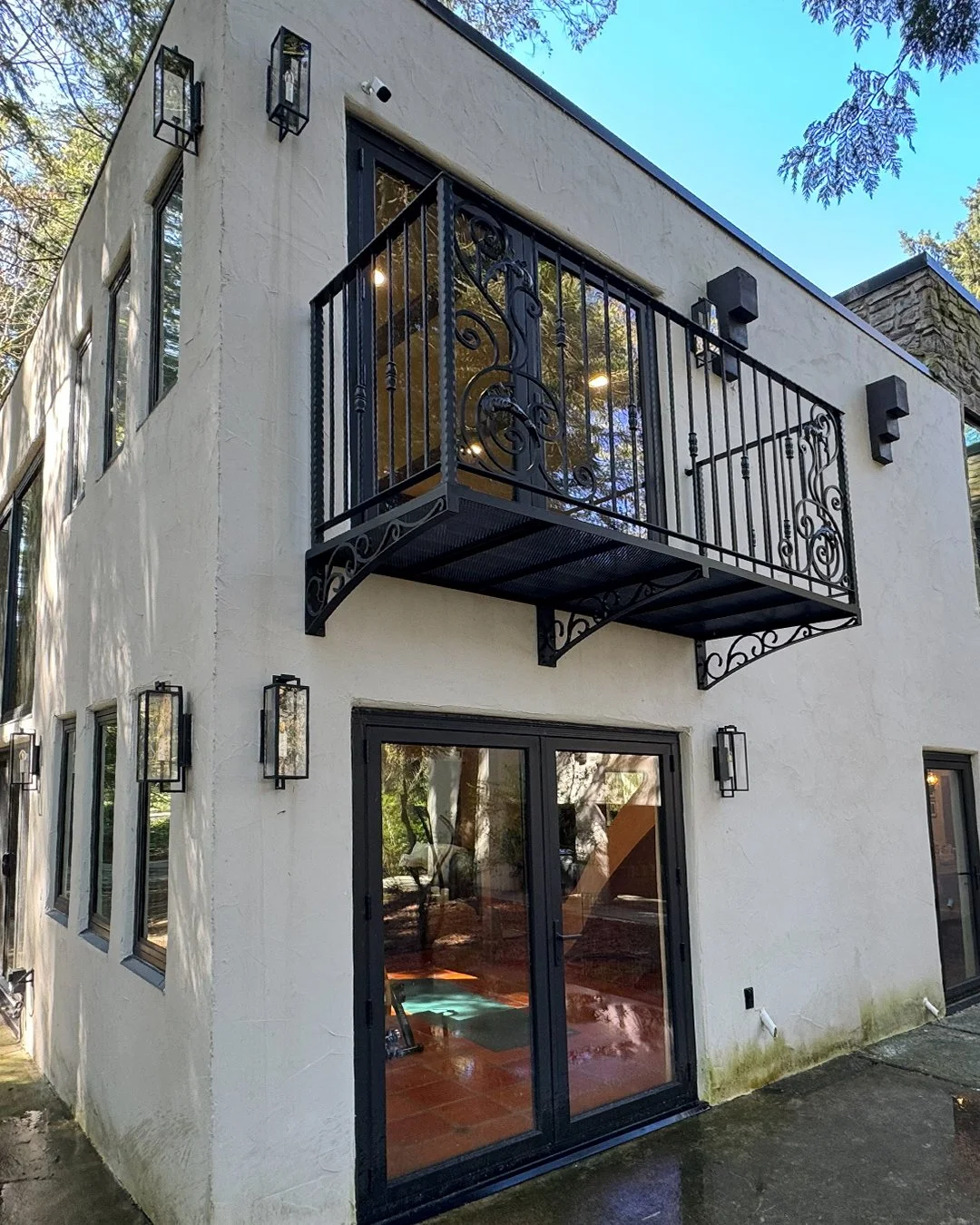
Aluminum is also lightweight, which can simplify transportation and installation in certain applications. For decks, balconies, and exterior railings, this can be a practical advantage.
Another benefit is lower maintenance. Compared to steel, aluminum generally requires less long-term upkeep in outdoor conditions.
However, aluminum behaves differently structurally. Because it is lighter and softer than steel, larger profiles or additional reinforcement may sometimes be required depending on the design.
In many cases, aluminum systems are preferred for:
Exterior deck railings
Balcony railings
Low-maintenance residential projects
Coastal or high-moisture environments
Design Differences
From a design perspective, steel and aluminum can create very different visual results.
Steel often provides a more refined and architectural appearance because thinner sections can still maintain high strength. This makes it especially popular in modern and custom-designed spaces.
Aluminum, on the other hand, is often selected for cleaner exterior systems where simplicity, durability, and low maintenance are priorities.
The right choice ultimately depends on the look and performance you want from the project.
Which One Is Better?
There is no universal answer because every project is different.
Steel may be the better choice if you are looking for:
A more custom architectural appearance
Slim and modern detailing
Stronger structural performance
Greater fabrication flexibility
Aluminum may be the better choice if your priority is:
Lower maintenance
Corrosion resistance
Lightweight exterior systems
Simpler residential applications
In many Vancouver projects, the decision comes down to balancing aesthetics, durability, and long-term maintenance expectations.
Custom Metalwork for Homes & Businesses.
604-876-0914 info@ironagebc.com
