Why Custom Metal Saves Money Long-Term: An Architect’s Perspective
In architectural projects, material decisions are rarely just about appearance. They influence durability, maintenance, lifecycle costs, and how a building performs over time. While custom metalwork may appear more expensive upfront compared to prefabricated or off-the-shelf solutions, experienced architects understand that long-term value is rarely measured by initial cost alone. When evaluated through the lens of performance, longevity, and integration, custom metal consistently proves to be a smarter investment.
Durability That Reduces Lifecycle Costs
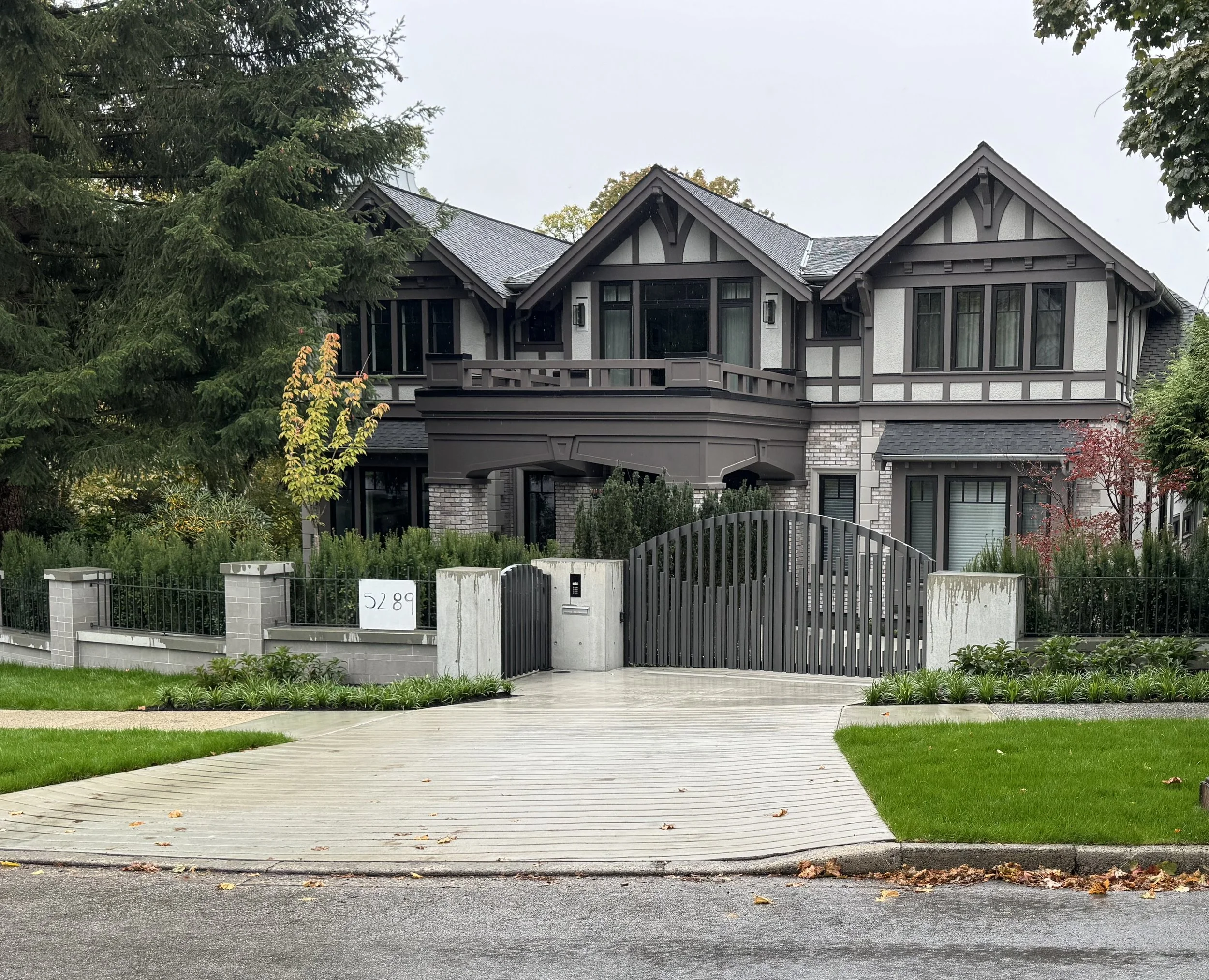
Custom metal components are engineered specifically for their environment, use, and load requirements. Unlike mass-produced elements, which are designed to fit a wide range of conditions, custom metal is fabricated with precise knowledge of exposure, structural demands, and user interaction. This results in assemblies that resist premature wear, corrosion, and deformation. Over decades of use, durability directly translates into fewer repairs, fewer failures, and significantly lower lifecycle costs.
Fewer Replacements Through Precise Design
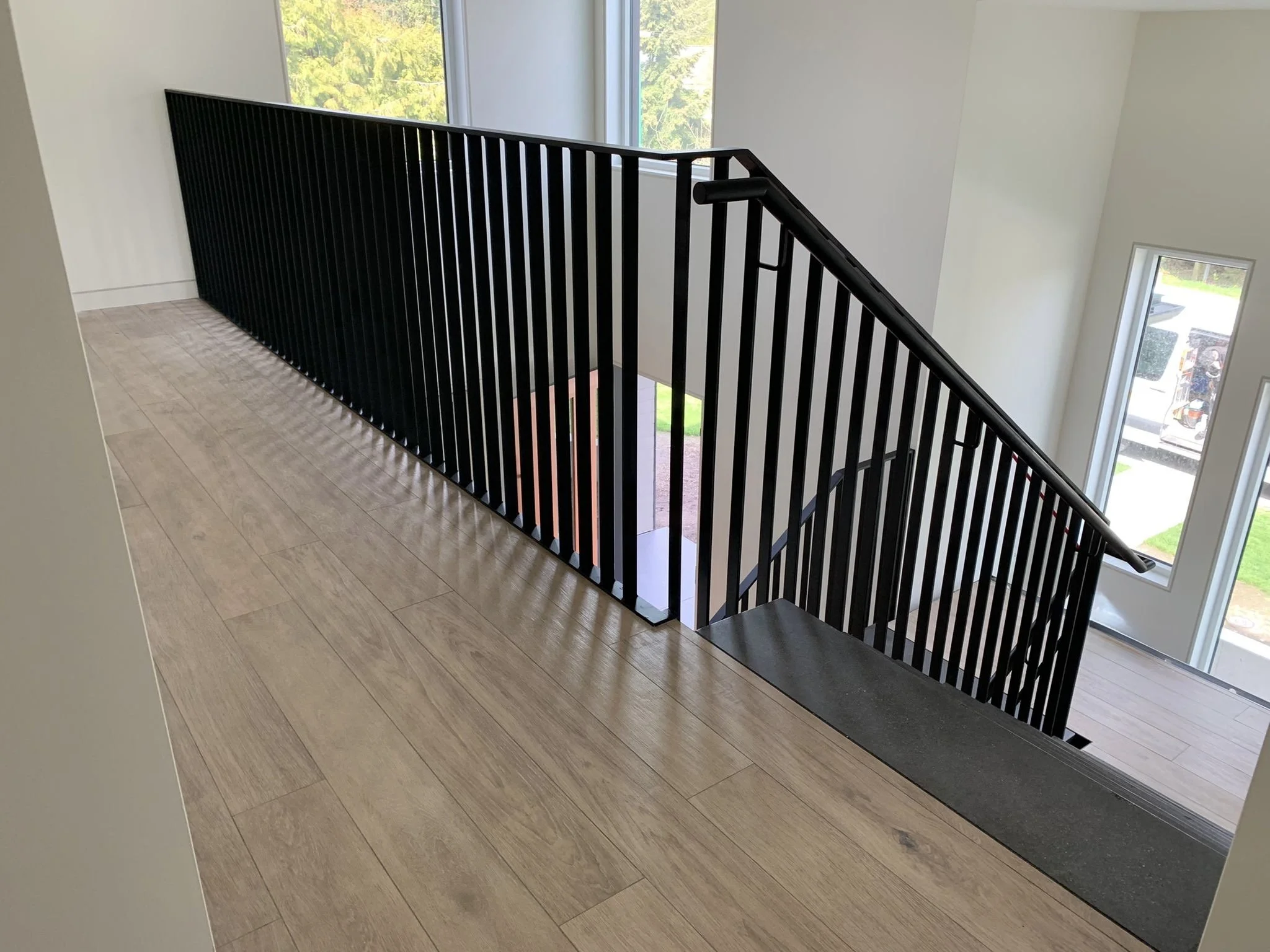
One of the most overlooked cost factors in construction is replacement. Poorly fitting or generic metal components often require early replacement due to stress points, misalignment, or incompatibility with surrounding materials. Custom metalwork eliminates these issues by responding directly to architectural drawings, site conditions, and detailing intent. When metal fits exactly as designed, it performs predictably and lasts longer—reducing the need for costly future interventions.
Reduced Maintenance by Design
Maintenance is not only a financial cost but also an operational burden. Custom metal allows architects to specify finishes, coatings, and fabrication methods that are appropriate for the building’s context—whether interior, exterior, public, or private. Properly selected finishes reduce cleaning frequency, resist damage, and age gracefully. Over time, this lowers ongoing maintenance expenses and minimizes disruption to occupants and building operations.
Better Fit Means Better Performance
Custom metal is not about complexity; it is about accuracy. Precision fabrication ensures that metal elements integrate seamlessly with surrounding materials such as glass, concrete, wood, and stone. This improves performance at connection points, reduces tolerance issues during installation, and prevents long-term problems caused by movement or stress. A better fit also shortens installation time, saving labor costs and reducing on-site adjustments.
Increased Property Value Through Lasting Quality
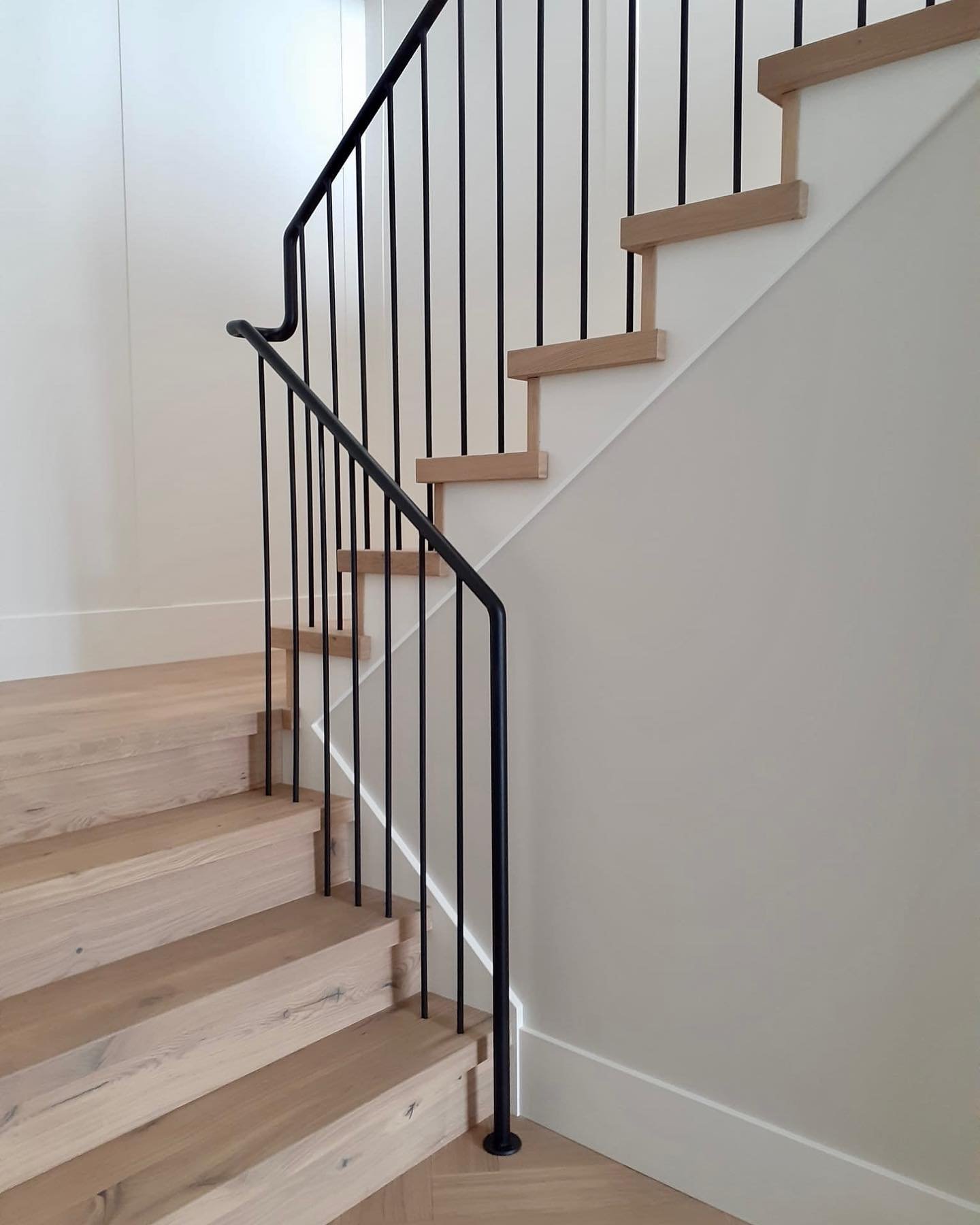
Architectural metalwork is often highly visible and frequently touched—railings, staircases, gates, feature walls, and fireplaces all contribute to how a space is perceived. Custom metal details that are thoughtfully designed and well executed elevate the overall quality of a building. For developers and property owners, this translates into higher perceived value, stronger market appeal, and improved long-term returns. Well-designed metal does not date quickly; it becomes part of the building’s identity.
A Long-Term Architectural Investment
For architects, specifying custom metal is not a luxury decision—it is a strategic one. When evaluated over the lifespan of a building, custom metal offers measurable financial advantages alongside design integrity. Fewer replacements, reduced maintenance, reliable performance, and enhanced property value all contribute to long-term savings. Ultimately, custom metalwork supports architecture not only aesthetically, but economically—making it one of the most cost-effective material choices when quality and longevity matter.
Custom Metalwork for Homes & Businesses.
604-876-0914 info@ironagebc.com
