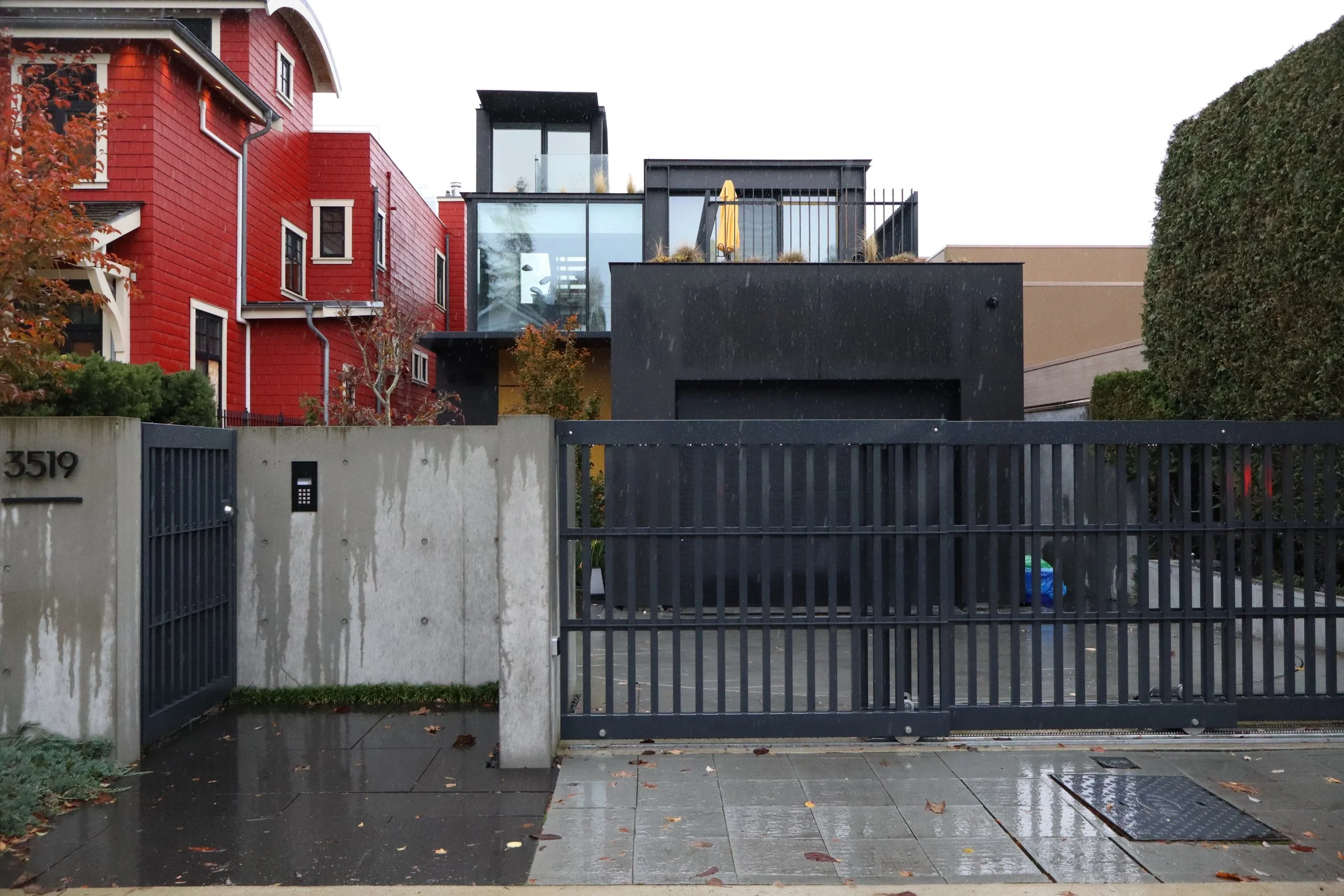
Exterior metalwork is expected to do several jobs at once. It must be safe, durable, code-compliant, visually refined, and capable of surviving years of rain, moisture, temperature changes, and daily use. In Vancouver, those demands are especially important for exterior railings, gates, fences, screens, stairs, canopies, pergolas, and other custom-fabricated features.
When exterior metalwork begins to rust, stain, blister, or lose its finish earlier than expected, the coating is often blamed first. But premature failure rarely comes down to paint or powder coating alone. The real cause is usually a combination of material selection, drainage, fabrication details, surface preparation, installation conditions, and maintenance.
The short answer is this: exterior metalwork fails when moisture and contaminants can reach the substrate and remain trapped at vulnerable locations. Preventing failure requires the material, geometry, finish, connections, and installation method to be designed as one complete system.
For architects, builders, designers, and property owners, understanding that system early can prevent costly repairs and protect the appearance of a project for years.
Why Vancouver Is a Demanding Environment for Exterior Metalwork
Vancouver’s climate is mild compared with many Canadian cities, but mild does not mean easy on exterior materials. Long wet seasons, repeated moisture exposure, shaded areas that dry slowly, coastal air, road salts, irrigation, and water collecting around connections can all increase the risk of corrosion.
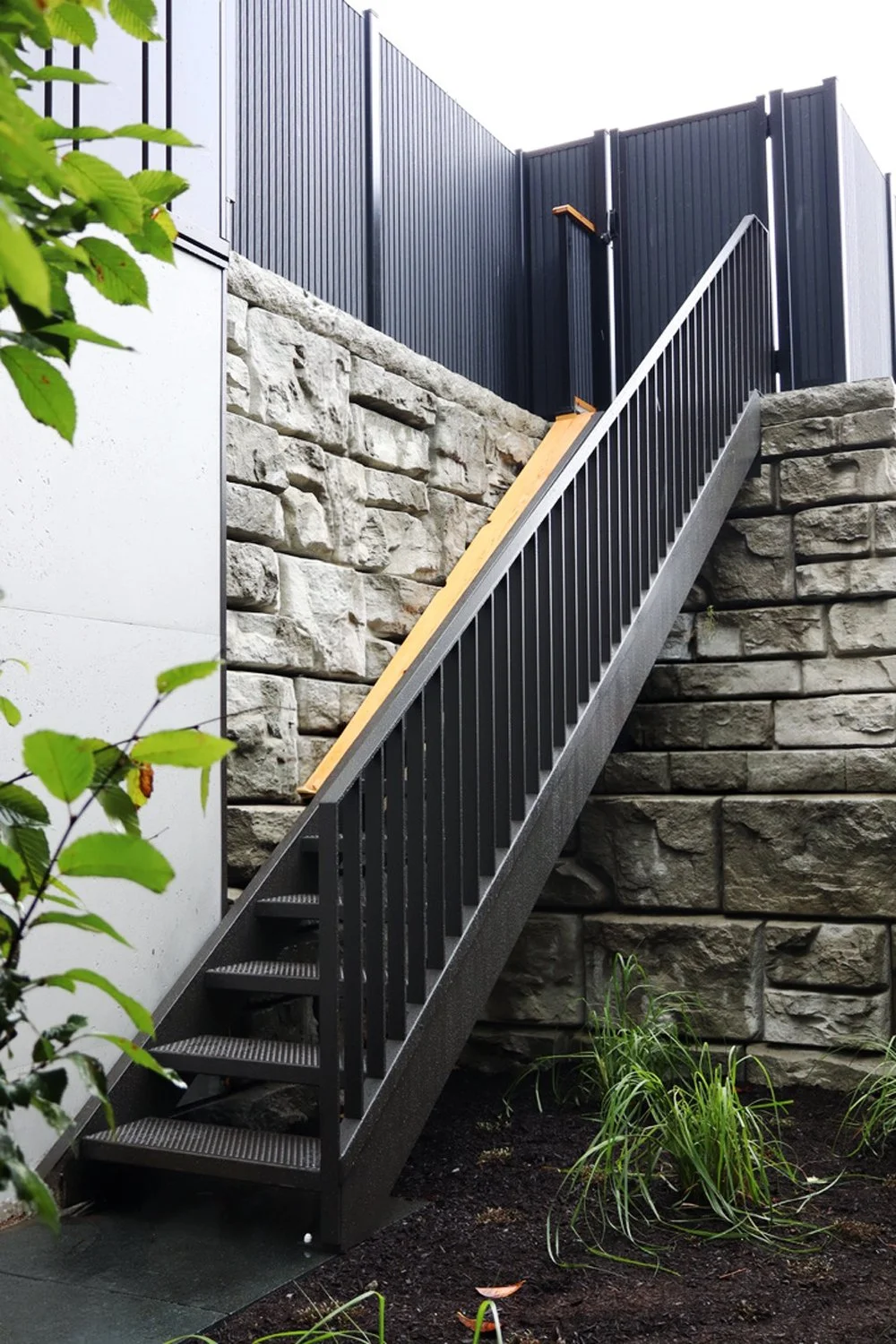
Exposure is not identical across the city. A railing near the waterfront may face different conditions than a covered residential gate in East Vancouver. A planter screen exposed to irrigation has a different risk than a balcony guardrail washed naturally by rain. Sheltered areas can sometimes be more vulnerable because salts and dirt accumulate without being rinsed away.
The City of Vancouver also expects more frequent and intense rainfall events as the climate changes. For architectural metalwork, that makes drainage, moisture management, and long-term durability increasingly important—not just as fabrication concerns, but as part of resilient building design.
1. Treating the Finish as the Entire Corrosion Strategy
One of the most common mistakes is choosing a colour and coating before deciding how the metalwork will manage water.
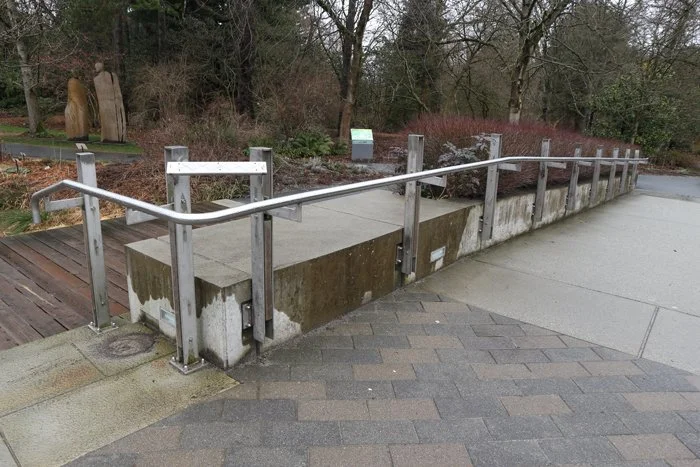
Powder coating and high-performance paint can provide an attractive protective barrier, but a barrier coating depends on remaining continuous. A sharp edge, pinhole, damaged corner, field weld, fastener penetration, or installation scratch can expose the metal below. Once moisture reaches bare carbon steel, corrosion may begin underneath the surrounding coating and eventually appear as bubbling, staining, or peeling.
This does not mean powder-coated steel is unsuitable for exterior use. It means the coating must be part of a larger strategy that includes suitable surface preparation, properly detailed joints, protected edges, careful handling, and repair of any damage during installation.
For more demanding environments, a duplex system—paint or powder coating applied over hot-dip galvanized steel—may provide a stronger combination of colour and corrosion protection. The American Galvanizers Association explains that the exterior coating acts as an additional barrier while the zinc coating below continues to protect the steel if the outer layer is damaged. Proper preparation of the galvanized surface is essential for adhesion and appearance.
2. Creating Details That Trap Water
Good exterior metalwork should encourage water to leave the assembly. Problems develop when horizontal surfaces, open tube ends, tightly enclosed pockets, poorly sealed joints, base plates, or decorative elements hold moisture.
Even a small water trap can create a repeating wet-and-dry cycle at the same vulnerable point. Dirt and salts collect there, drying is delayed, and corrosion becomes concentrated. These details are particularly risky at the bottoms of posts, around base plates, beneath caps, inside hollow sections, and where several members meet.
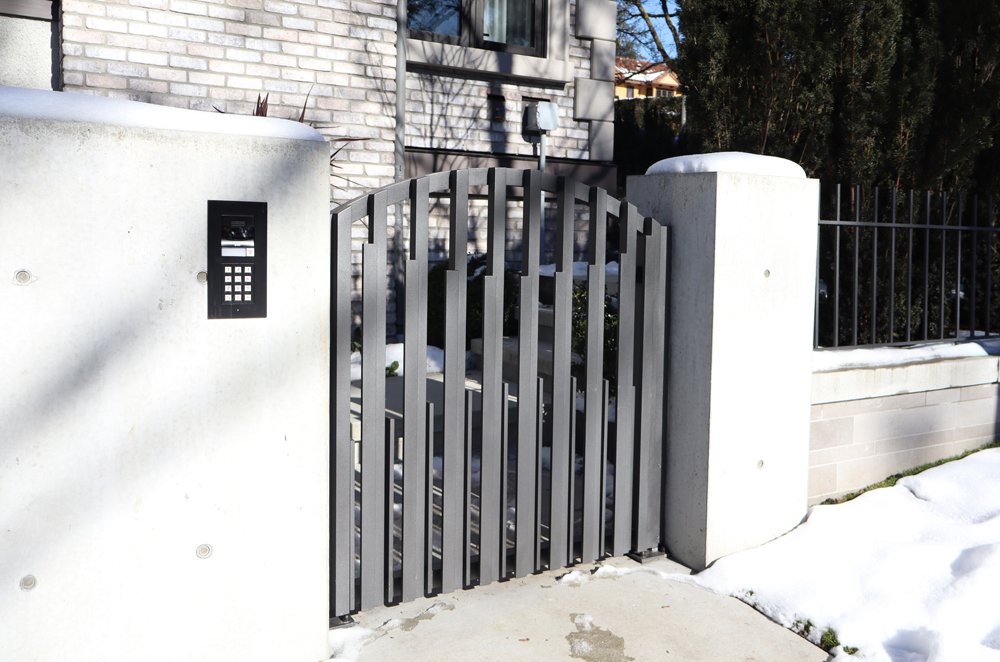
The solution is not simply adding sealant after installation. The geometry itself should be reviewed. Sloped surfaces, continuous welds where appropriate, properly designed caps, drain paths, and accessible connections can reduce standing water. Sealants may support the system, but they should not be expected to correct a detail that was designed to collect water.
When hollow steel assemblies are hot-dip galvanized, venting and drainage are also essential to the finishing process. The American Galvanizers Association recommends locating vent openings at high points and drain openings at low points so air, cleaning solutions, and molten zinc can move through the fabrication. Early coordination between the designer, fabricator, and galvanizer helps prevent poor coating quality and visible zinc buildup.
3. Selecting Materials Without Considering the Exact Exposure
There is no single “best metal” for every exterior project. The right choice depends on location, appearance, structural requirements, fabrication method, maintenance expectations, and budget.
Carbon steel offers strength, design flexibility, and excellent value. It can be formed into refined railings, gates, stairs, and architectural features, but it needs an appropriate protective system. Depending on the exposure, that may include a properly specified paint system, hot-dip galvanizing, or galvanizing followed by paint or powder coating.
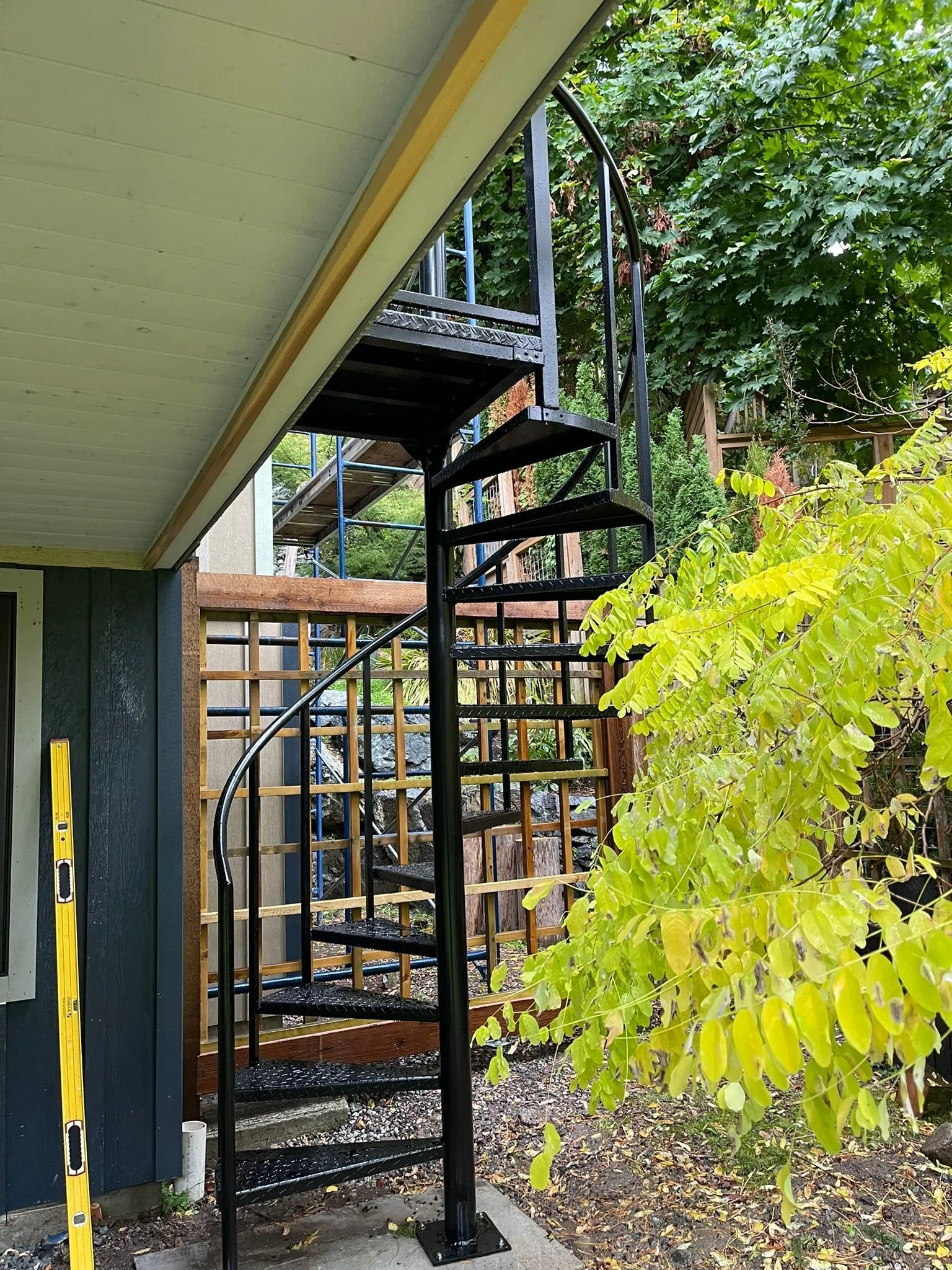
Aluminum does not rust like carbon steel and is often an excellent option for exterior screens, fences, gates, and lighter architectural elements. It is lightweight and compatible with durable architectural finishes. However, aluminum still requires correct alloy selection, detailing, surface preparation, and separation from incompatible metals. “Rust-free” should not be confused with “immune to every form of corrosion or finish failure.”
Stainless steel can provide a clean appearance and strong corrosion resistance, but the grade and surface finish matter. In areas exposed to saltwater or de-icing salts, Type 316 stainless steel is often considered instead of Type 304 because its molybdenum content improves resistance to chloride-related staining and corrosion. Even stainless steel benefits from smooth finishes, details that can be washed, and an appropriate cleaning plan.
The best specification starts with the actual micro-environment: Is the work near saltwater? Is it sheltered from rain? Will it be exposed to irrigation, planters, pool chemicals, road spray, or de-icing salts? Can it be cleaned and inspected? Those answers should guide the material and finish—not appearance alone.
4. Connecting Dissimilar Metals Without Isolation
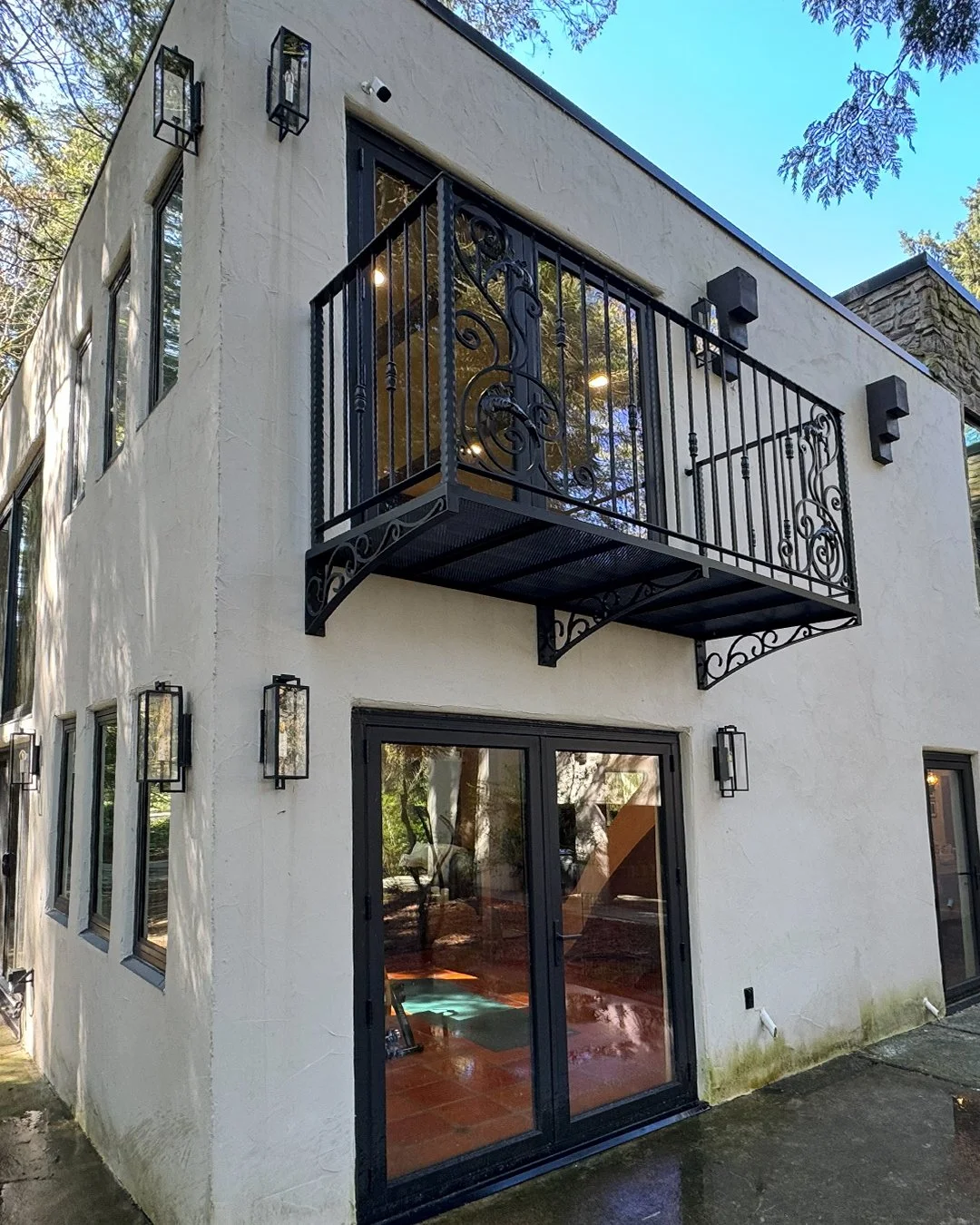
Modern architectural projects often combine carbon steel, galvanized steel, stainless steel, aluminum, brass, glass hardware, and different fasteners. These combinations can look exceptional, but they require careful detailing.
When dissimilar metals are in electrical contact and moisture acts as an electrolyte, galvanic corrosion can occur. The risk depends on the metals, their relative surface areas, the environment, and how long the connection remains wet.
Common examples include stainless-steel fasteners against aluminum, aluminum panels attached directly to steel frames, or stainless components connected to galvanized steel. A compatible fastener is not enough by itself if water can remain between the materials.
Non-conductive isolators, compatible washers, suitable coatings, sealants, and well-drained connection details may be used to separate materials. The correct solution is project-specific and should be coordinated before fabrication begins. It is much easier to add an isolation detail to a shop drawing than to diagnose staining or corrosion after installation.
5. Welding or Cutting After the Finish Is Applied
Field conditions sometimes require a railing, gate, or stair component to be trimmed, drilled, or welded during installation. Every alteration after finishing can interrupt the original protection system.
A field weld burns away paint, powder coating, and zinc near the connection. Grinding can remove protection from a wider area. Drilled holes and cut ends can expose bare material. If those locations are not cleaned and repaired with a compatible touch-up system, they may become the first points to corrode.
The best approach is to reduce field modifications through accurate site measurement, coordinated shop drawings, realistic tolerances, and carefully planned connections. Bolted or concealed mechanical connections may be useful where the design permits. When field welding is necessary, the repair method should be selected before installation—not improvised after the weld is complete.
This is one reason experienced custom metal fabricators focus so heavily on site verification. A few millimetres of coordination in the field can protect both the design and the finish.
6. Ignoring Base Plates, Anchors, and Adjacent Construction
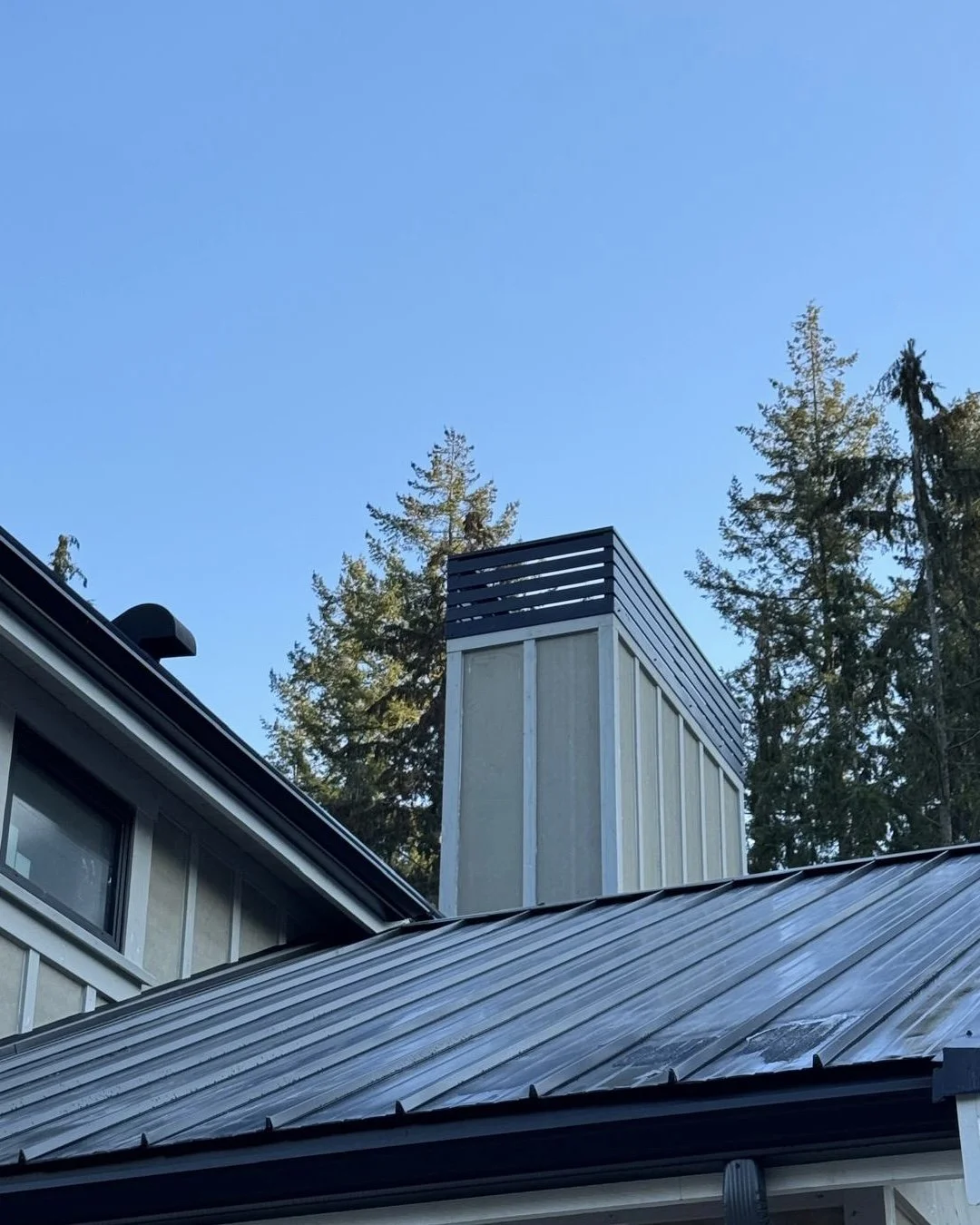
Metalwork does not fail in isolation. Its performance is affected by concrete, waterproofing, masonry, wood, cladding, landscaping, and other trades.
Post bases and anchor locations are particularly important. Water can collect beneath a base plate, enter an unprotected penetration, or become trapped where a post meets concrete. If the surrounding waterproofing is incomplete or damaged, the problem may affect both the metalwork and the building assembly.
Architects and builders should coordinate attachment points, edge distances, concrete slopes, waterproofing transitions, blocking, embeds, and finished elevations before the metalwork is fabricated. The installer also needs enough access to place anchors correctly and complete any required seal or touch-up work.
A visually minimal connection often requires more planning, not less. Hidden fasteners, slim posts, and concealed plates can create beautiful results, but the water path, installation sequence, structural loads, and future access still have to be resolved.
7. Designing for Installation Day Instead of Service Life
A successful exterior metalwork package should still perform well years after the installer leaves the site.
That means considering how the assembly will be transported, lifted, installed, cleaned, inspected, and repaired. Large one-piece fabrications may reduce visible joints but can be difficult to finish, ship, or manoeuvre without damage. Highly concealed connections can improve appearance but make future maintenance difficult. A coating may perform well on broad surfaces while remaining vulnerable at sharp edges and tight crevices.
Maintenance expectations should also be realistic. Exterior metalwork should be cleaned periodically, especially in sheltered areas or locations exposed to salt, road spray, irrigation, or organic debris. Chips, scratches, loose sealant, blocked drains, and early staining should be addressed before they develop into larger failures.
Low maintenance does not mean no maintenance. A durable system combines intelligent design with a practical inspection and cleaning plan.
Which Finish Is Best for Exterior Metalwork in Vancouver?
The answer depends on the substrate and exposure.
For architectural steel in relatively controlled exterior conditions, a properly prepared and applied paint or powder-coat system may be appropriate. Where the risk of moisture, impact, or coating damage is higher, hot-dip galvanizing offers additional protection. When a specific colour and a longer corrosion-protection strategy are both important, galvanized steel with a compatible paint or powder topcoat may be worth considering.
For screens, fences, lightweight gates, and certain low-maintenance applications, powder-coated aluminum can be an excellent choice. For high-exposure details, public spaces, pool environments, or projects demanding a refined metallic finish, an appropriate stainless-steel grade may offer the best long-term value.
These are not interchangeable specifications. A successful finish schedule should define the base metal, preparation, coating system, colour, sheen, repair method, visible-quality expectations, and maintenance requirements.
A Practical Exterior Metalwork Checklist for Architects and Builders
Before the design is released for fabrication, confirm the following:
The material and finish match the site’s actual exposure.
Horizontal surfaces and hollow sections can drain properly.
Dissimilar metals are isolated where required.
Welds, edges, cut ends, and fastener penetrations are protected.
The coating system is compatible with the fabrication and installation sequence.
Base plates, anchors, waterproofing, concrete slopes, and adjacent finishes are coordinated.
Site measurements and tolerances allow installation without unnecessary cutting or welding.
Cleaning, inspection, and touch-up requirements are documented.
This review is small compared with the cost of removing, refinishing, or replacing completed metalwork.
Durable Metalwork Begins Before Fabrication
The most durable exterior metalwork is not created by choosing the most expensive material or applying the thickest coating. It comes from making a series of coordinated decisions: where water will go, how components will connect, which surfaces will be exposed, how the work will be finished, and what will happen during installation.
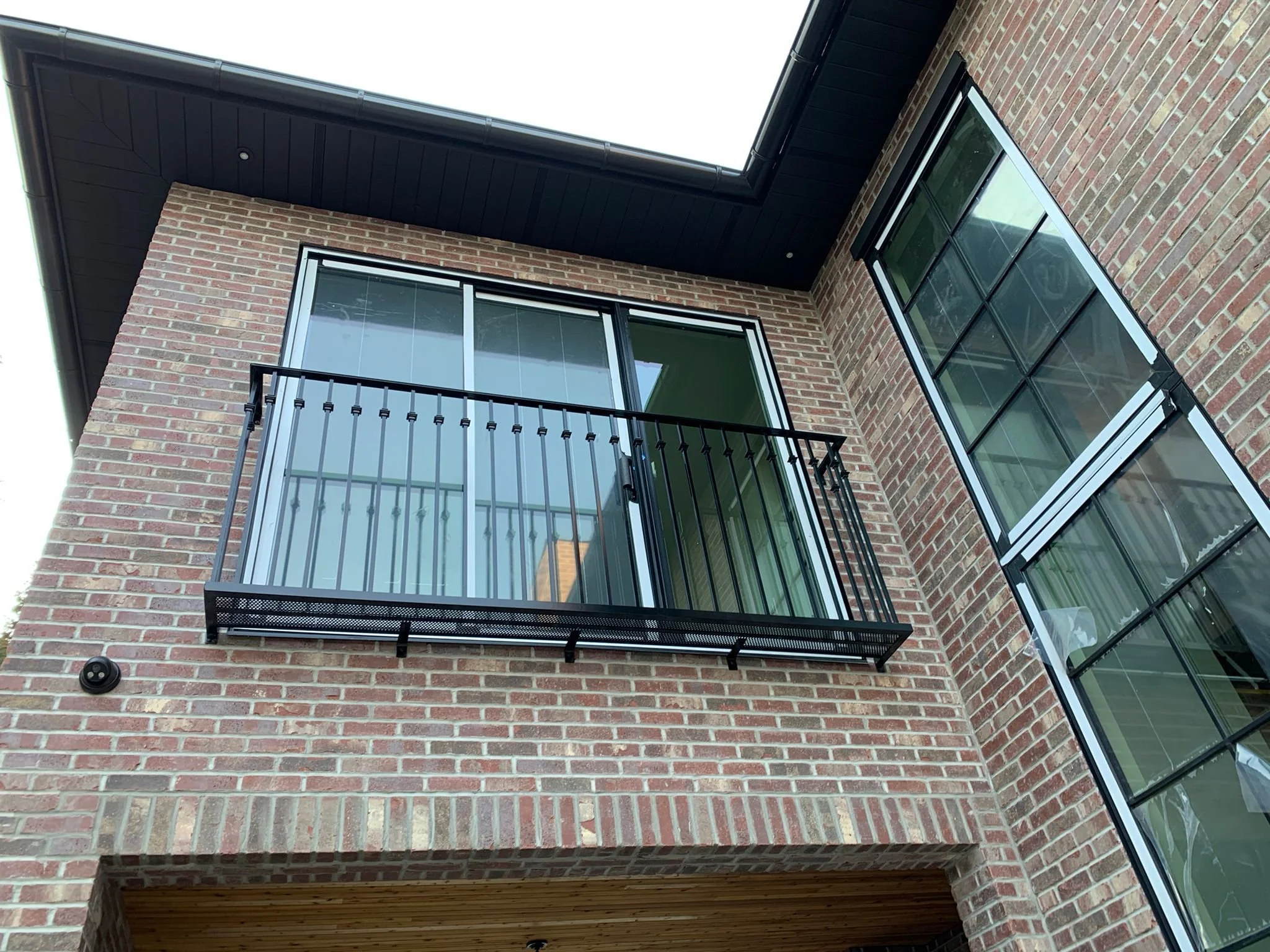
At Iron Age Manufacturing Ltd., we work with architects, designers, builders, developers, and homeowners to design, fabricate, finish, and install custom architectural metalwork throughout Vancouver and the Lower Mainland. Our experience includes exterior railings, gates, fences, screens, staircases, canopies, pergolas, and one-of-a-kind architectural features in steel, stainless steel, and aluminum.
If you are planning an exterior metalwork project, early fabrication input can help preserve the design intent, reduce site changes, and select a material and finish strategy suited to the project’s real conditions.
Custom Metalwork for Homes & Businesses.
604-876-0914 info@ironagebc.com
Technical References Used
City of Vancouver — Adapting to Extreme Rainfall: https://vancouver.ca/green-vancouver/extreme-rainfall.aspx
American Galvanizers Association — Duplex Systems for Corrosion Protection: https://galvanizeit.org/corrosion/corrosion-protection/duplex-systems
American Galvanizers Association — Venting and Drainage: https://galvanizeit.org/design-and-fabrication/design-considerations/venting-and-drainage
American Galvanizers Association — Preparing Galvanized Steel for Powder Coating: https://galvanizeit.org/specification-and-inspection/specifying-duplex-systems/preparing-hdg-for-powder-coating
International Molybdenum Association — Stainless Steel Selection for Exterior Applications: https://www.imoa.info/molybdenum-uses/molybdenum-grade-stainless-steels/molybdenum-grade-stainless-steel-faq.php
