Architectural Metal Screens in Vancouver: A 2026 Specification Guide for Architects
Architectural metal screens are becoming one of the most versatile design elements in contemporary Vancouver architecture. A well-designed screen can provide privacy, solar control, ventilation, safety, and a distinctive building identity without the visual weight of a solid wall. For architects, the opportunity is not simply to select a pattern. It is to coordinate material, openness, support, finish, drainage, fabrication, installation, and long-term maintenance as one complete system.
In Vancouver, custom architectural metal screens can be fabricated from aluminum, steel, stainless steel, or other metals and used for façades, privacy screens, balcony enclosures, rooftop equipment screening, gates, landscape features, partitions, and decorative exterior elements. The most successful installations are developed collaboratively, with the architect, fabricator, structural engineer, contractor, and finishing supplier resolving critical details before production begins.
Why Architectural Metal Screens Are a Major Design Trend in 2026
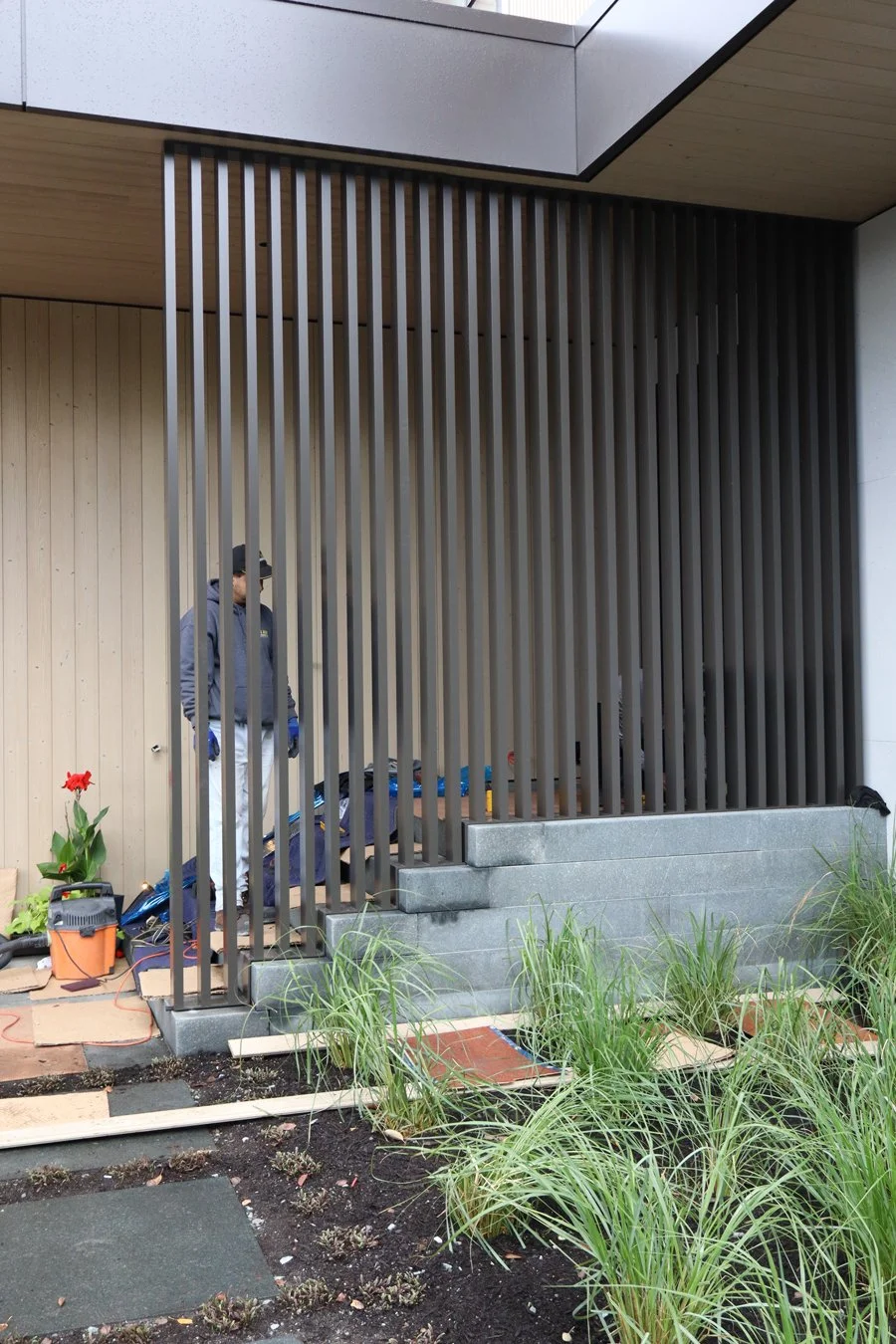
The architectural value of a screen comes from its ability to perform several jobs at once. It can filter light instead of completely blocking it, create privacy while maintaining airflow, conceal mechanical equipment without turning the enclosure into a blank wall, or give depth and movement to an otherwise simple elevation. As daylight changes, perforations, fins, slats, and layered panels produce shadows that make a façade feel more responsive and less static.
This flexibility aligns with several priorities shaping architecture in 2026: climate-responsive design, adaptable assemblies, off-site fabrication, material efficiency, and stronger connections between performance and visual identity. Current industry guidance also places increasing emphasis on circular design, prefabrication, durability, and reducing embodied carbon. The City of Vancouver has set a target to reduce embodied emissions by 40 percent by 2030, making material quantity, service life, repairability, and end-of-life planning increasingly relevant design considerations.
Metal should not be described as sustainable simply because it is recyclable. Its environmental impact depends on the alloy, recycled content, material thickness, finish, fabrication method, transportation, expected service life, and whether components can be repaired, replaced, or disassembled. A durable, efficiently detailed screen that uses material intelligently and remains serviceable for decades can support a stronger whole-life design strategy than an unnecessarily heavy or difficult-to-maintain assembly.
Where Custom Metal Screens Can Be Used
Architectural screens can be integrated into both residential and commercial projects. On a building exterior, they may act as a secondary visual layer in front of glazing or cladding. Around balconies and terraces, they can increase privacy while preserving filtered views and airflow. At parkades, service areas, and rooftop mechanical zones, screens can conceal equipment while maintaining the ventilation required by the consultant team.
At ground level, the same design language can continue through pedestrian gates, driveway gates, fences, garden partitions, and entrance features. Indoors, custom metal screens can separate spaces without eliminating light or visual connection. This continuity allows architects to repeat a pattern, proportion, or finish across multiple elements and create a coherent identity throughout the project.
However, a decorative screen is not automatically a guard, security barrier, fall-protection system, or compliant mechanical enclosure. If the assembly must perform one of these functions, the applicable loading, opening, climbability, access, ventilation, egress, and code requirements need to be identified at the beginning of design.
Choosing the Right Metal for Vancouver Conditions
Material selection should reflect exposure, panel size, desired appearance, structural requirements, finishing strategy, maintenance expectations, and budget. There is no single best metal for every architectural screen.
Aluminum is often an excellent choice for exterior screens because it is lightweight and naturally corrosion resistant. Its lower weight can simplify handling and reduce demand on supporting connections, especially for larger modular panels. Aluminum also works well with powder-coated finishes and is commonly used for privacy screens, fins, slats, gates, and decorative façade components.
Steel offers strength, rigidity, fabrication flexibility, and crisp architectural lines. It is well suited to frames, posts, gates, guards, and screen assemblies where stiffness or slender structural profiles are important. Exterior steel requires a carefully selected protective coating system, and details should prevent water from collecting inside tubes, at horizontal surfaces, or around connections.
Stainless steel can be appropriate for highly exposed, coastal, high-traffic, or premium applications. Grade, surface finish, fabrication technique, and the risk of cross-contamination must be considered together. Stainless steel is not maintenance-free, but a properly selected and fabricated system can provide excellent durability.
Weathering steel can create a distinctive natural appearance, but it should be specified cautiously in Vancouver’s wet climate. Drainage, staining of adjacent materials, runoff paths, drying cycles, and long-term patina behaviour require deliberate planning. It should never be selected for appearance alone without reviewing how it will perform in the specific location.
Pattern, Openness, Privacy, and Light
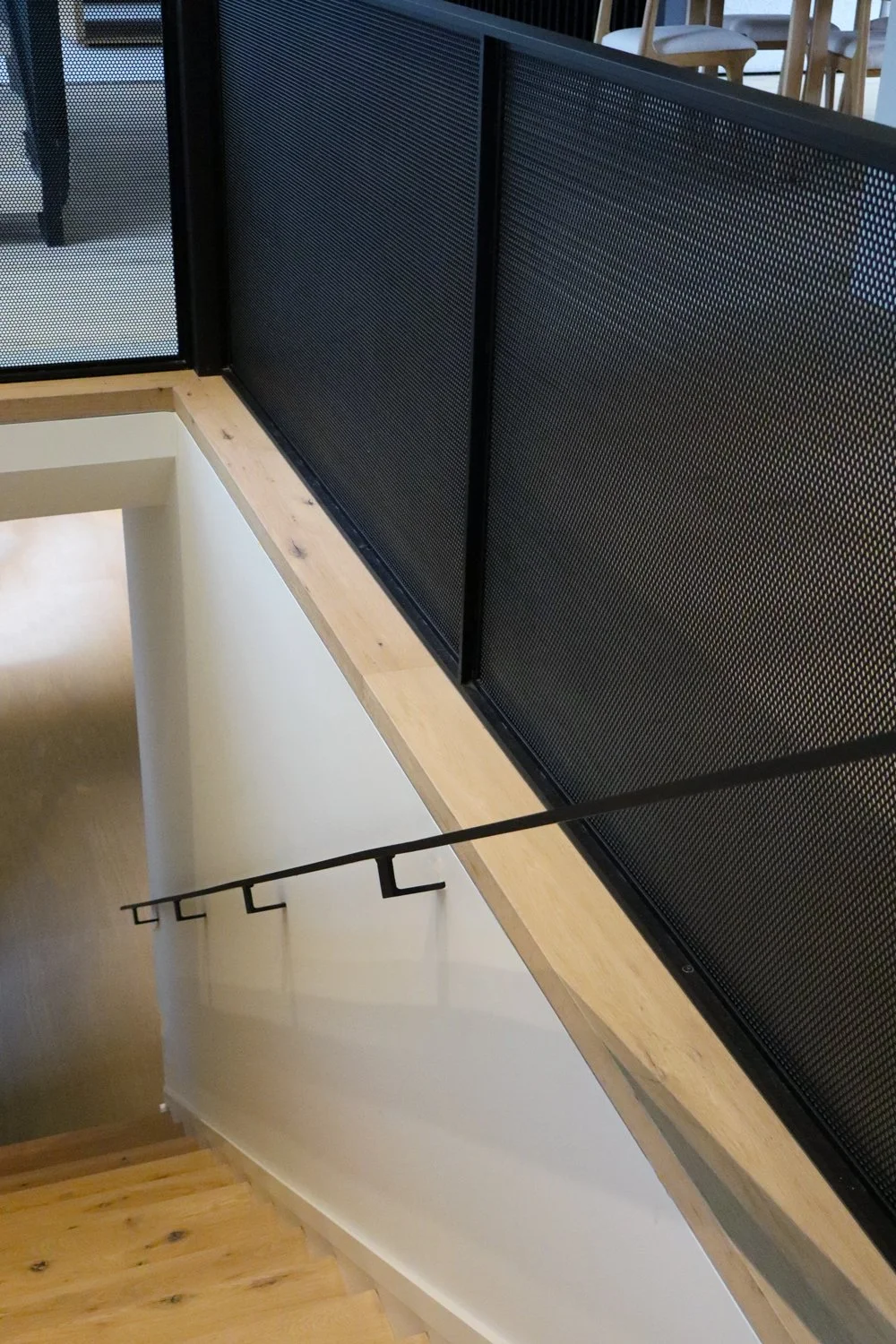
The screen pattern determines much more than appearance. The percentage of open area influences privacy, airflow, daylight, shadow, wind response, and the visibility of objects behind the screen. A pattern that appears opaque in a rendering may become visually transparent when it is brightly lit from behind. Likewise, a screen that offers privacy during the day may reveal more of the interior at night.
Architects should evaluate important screens from the actual viewing distances and angles expected on the project. Full-size mock-ups are especially useful for reviewing perforation size, slat spacing, transparency, shadow, finish, edge treatment, and nighttime visibility. For solar-control applications, orientation and sun angle should inform the geometry. Horizontal projections may perform differently from vertical fins, and a decorative pattern should not be assumed to deliver meaningful shading without analysis.
Custom screens do not need to rely only on perforated sheet. Vertical battens, flat-bar fins, expanded metal, woven wire, laser-cut plate, formed panels, and layered assemblies each produce a different level of depth and transparency. The best option is the one that balances design intent with fabrication efficiency, structural behaviour, drainage, cleaning, and installation access.
Designing for Fabrication Without Limiting Creativity
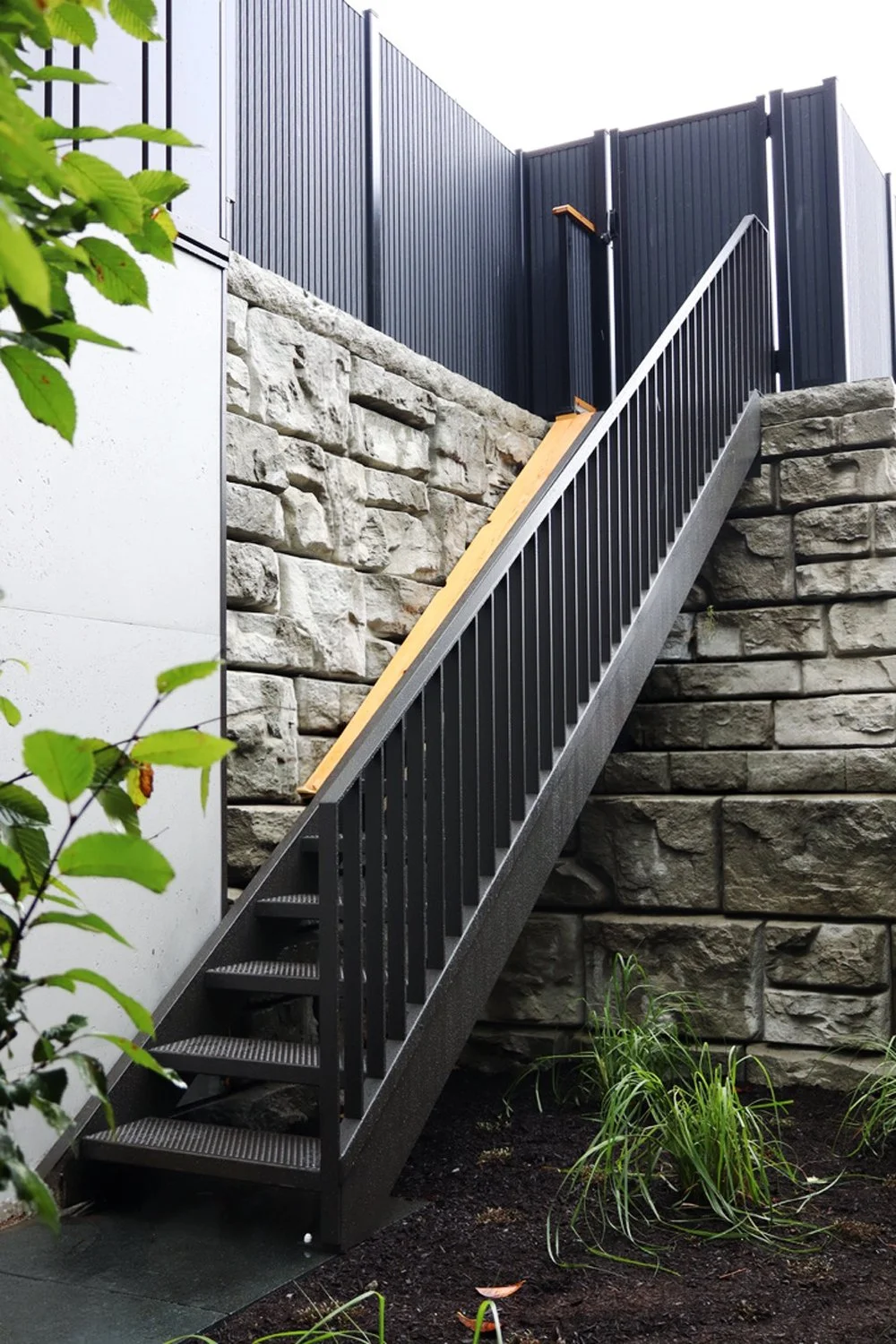
Early fabricator involvement helps turn an architectural concept into a buildable system without losing its character. Panel dimensions can be coordinated with available sheet sizes, forming limits, finishing capacity, transportation, lifting access, and the desired joint rhythm. A small adjustment to module size or pattern layout can sometimes reduce waste, eliminate unnecessary welds, improve finish consistency, and lower cost while preserving the original design.
For perforated or laser-cut panels, sufficient material must remain around openings, folds, fasteners, and panel edges. Very fine patterns may distort during cutting, forming, welding, or coating. Large thin panels may oil-can or vibrate unless they are formed, stiffened, framed, or divided into appropriate modules. Corners and pattern transitions also need special attention so the design reads continuously across the completed elevation.
Shop drawings should clearly show panel sizes, frame profiles, joints, support locations, connection types, tolerances, finish boundaries, drainage provisions, interfaces with adjacent construction, and installation sequencing. When these decisions are made early, the screen is more likely to arrive on site as a coordinated architectural component rather than a collection of details that must be resolved during installation.
Prefabrication, Modular Panels, and Cleaner Installation
Off-site fabrication is especially valuable for architectural screen systems. Repetitive panels, frames, brackets, and connection points can be produced and checked in a controlled shop environment. This can improve consistency, reduce on-site cutting and welding, protect finished surfaces, and shorten installation time.
Modular construction also makes future access and repair easier. Where practical, mechanically fastened panels can allow individual sections to be removed for maintenance or replaced without dismantling the entire assembly. Concealed fasteners may create the cleanest appearance, but they must remain realistically accessible. A connection that cannot be reached with normal tools may look elegant in a detail and still create major difficulty during installation or future service.
The attachment strategy should account for substrate tolerances and the actual construction sequence. Adjustable clips, slotted holes, isolated dissimilar metals, replaceable panels, and clearly defined survey dimensions can make the system more resilient to normal site variation.
Finishes That Perform in Vancouver’s Climate
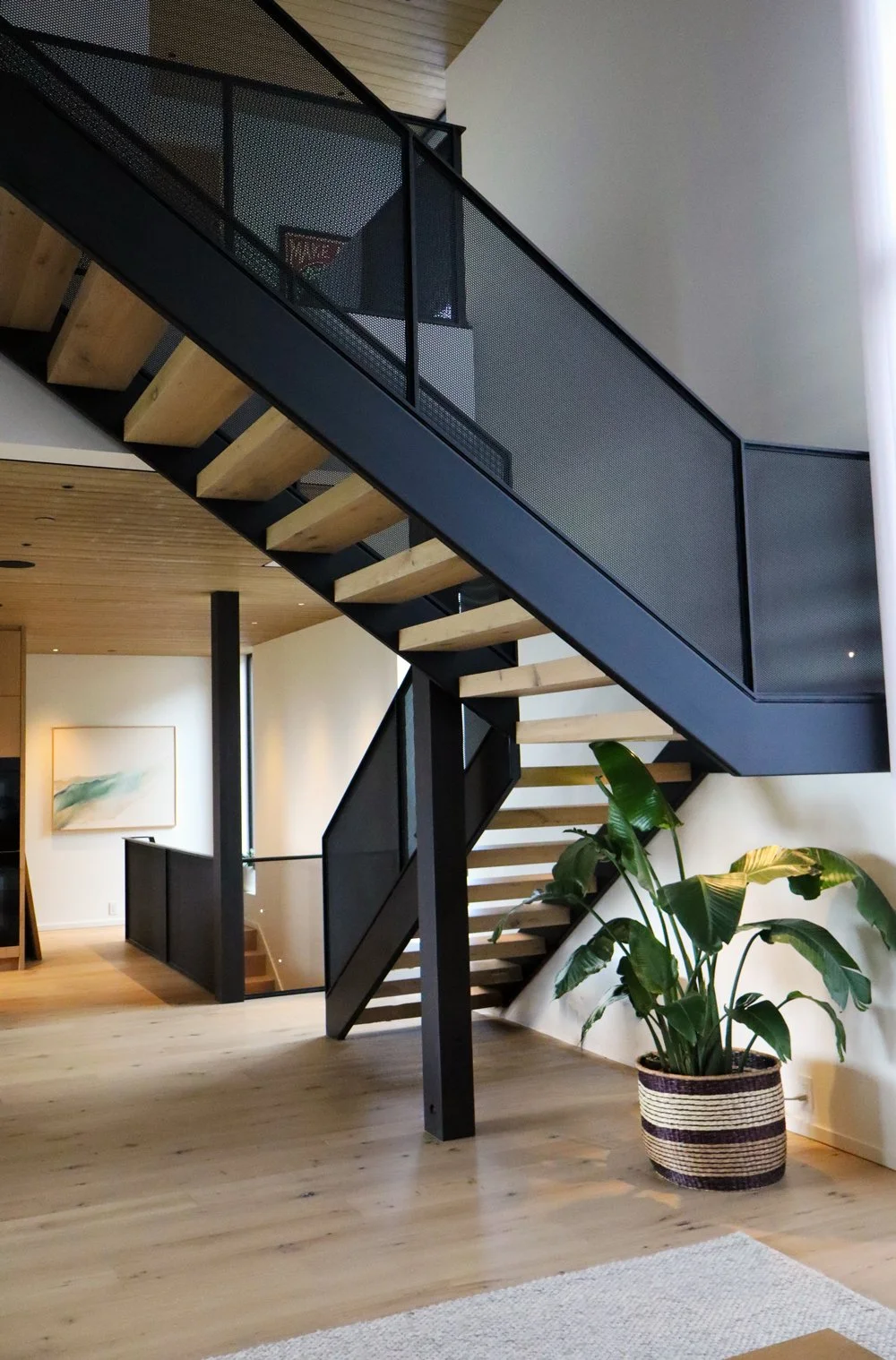
Finish selection affects colour, texture, corrosion protection, maintenance, lead time, and the way a screen reflects light. Powder coating is widely used for exterior aluminum and appropriately prepared steel because it provides a consistent architectural finish in a broad range of colours and gloss levels. The complete coating specification should match the substrate, exposure, surface preparation, and durability expectations of the project.
Galvanizing can provide robust corrosion protection for exterior steel, particularly for utilitarian, landscape, industrial, or highly exposed applications. Designers should anticipate the visual characteristics of the process, including variations in surface appearance, vent and drain requirements, and the possibility of distortion in certain assemblies. Duplex systems that combine galvanizing with a compatible topcoat may be considered when both enhanced protection and a specific colour are required.
Painted, patinated, blackened, and specialty finishes can create unique results, but samples should be reviewed under the project’s actual lighting conditions. Hand-applied finishes naturally vary, and that variation should be understood and accepted as part of the design. Regardless of finish, edges, welds, fastener penetrations, drainage paths, and contact between dissimilar metals must be coordinated carefully.
Seven Questions to Resolve Before Issuing the Screen Package
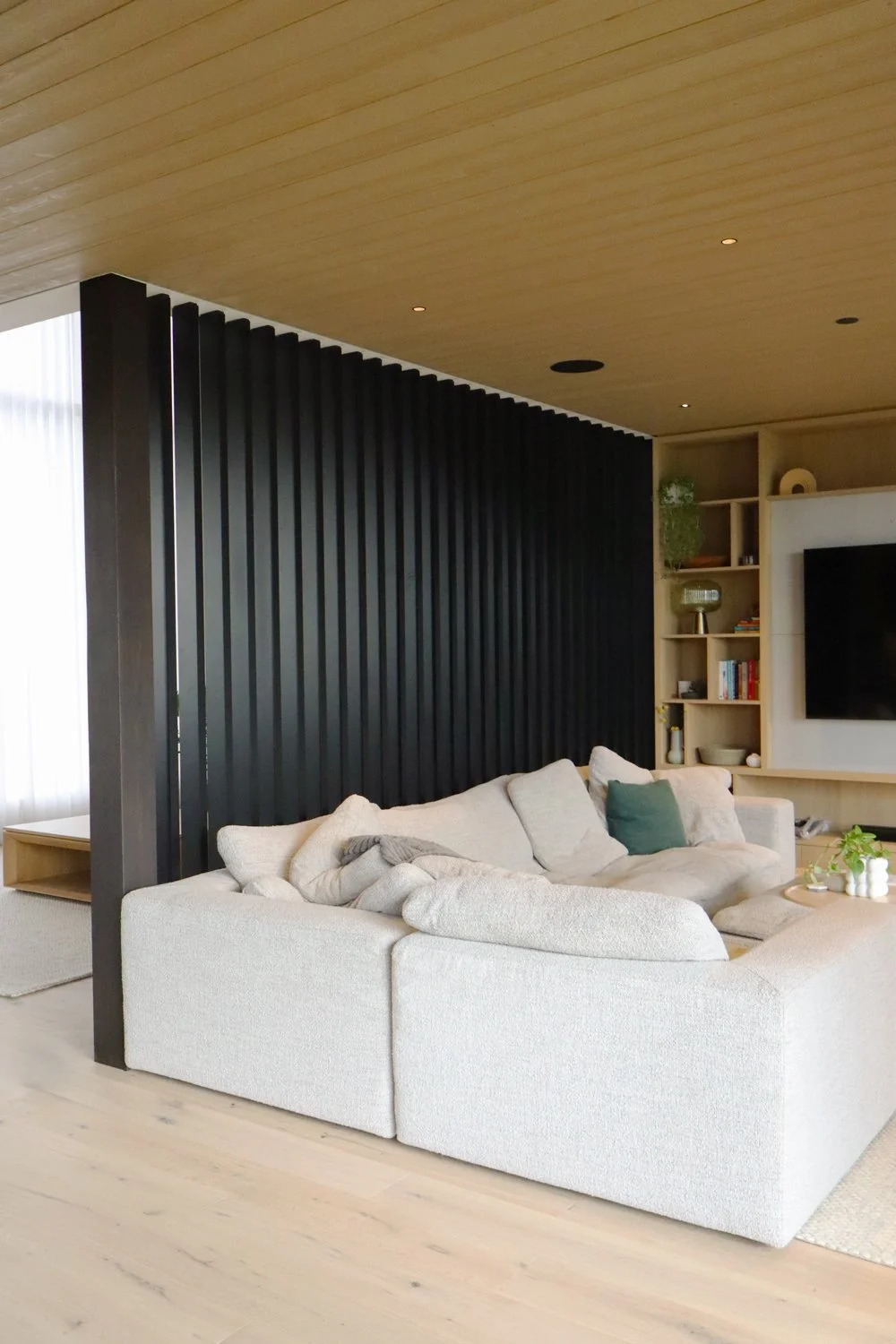
Before an architectural screen moves into production, the project team should be able to answer seven practical questions:
What is the screen required to do: provide privacy, shade, ventilation, security, fall protection, equipment concealment, or visual identity?
What level of openness is required when viewed from the most important daytime and nighttime angles?
Which metal and finish are appropriate for the exposure, maintenance plan, desired appearance, and budget?
Where will structural loads transfer, and which consultant is responsible for the supporting substrate and connections?
How will water drain, how will the assembly be cleaned, and how can concealed areas be inspected?
Can panels be fabricated, finished, transported, lifted, and installed in the dimensions shown?
Can individual components be accessed, removed, repaired, or replaced later?
Resolving these questions early gives the architect greater control over the final appearance and reduces the likelihood of substitutions, visible field modifications, schedule delays, and unexpected costs.
Working With an Architectural Metal Fabricator in Vancouver
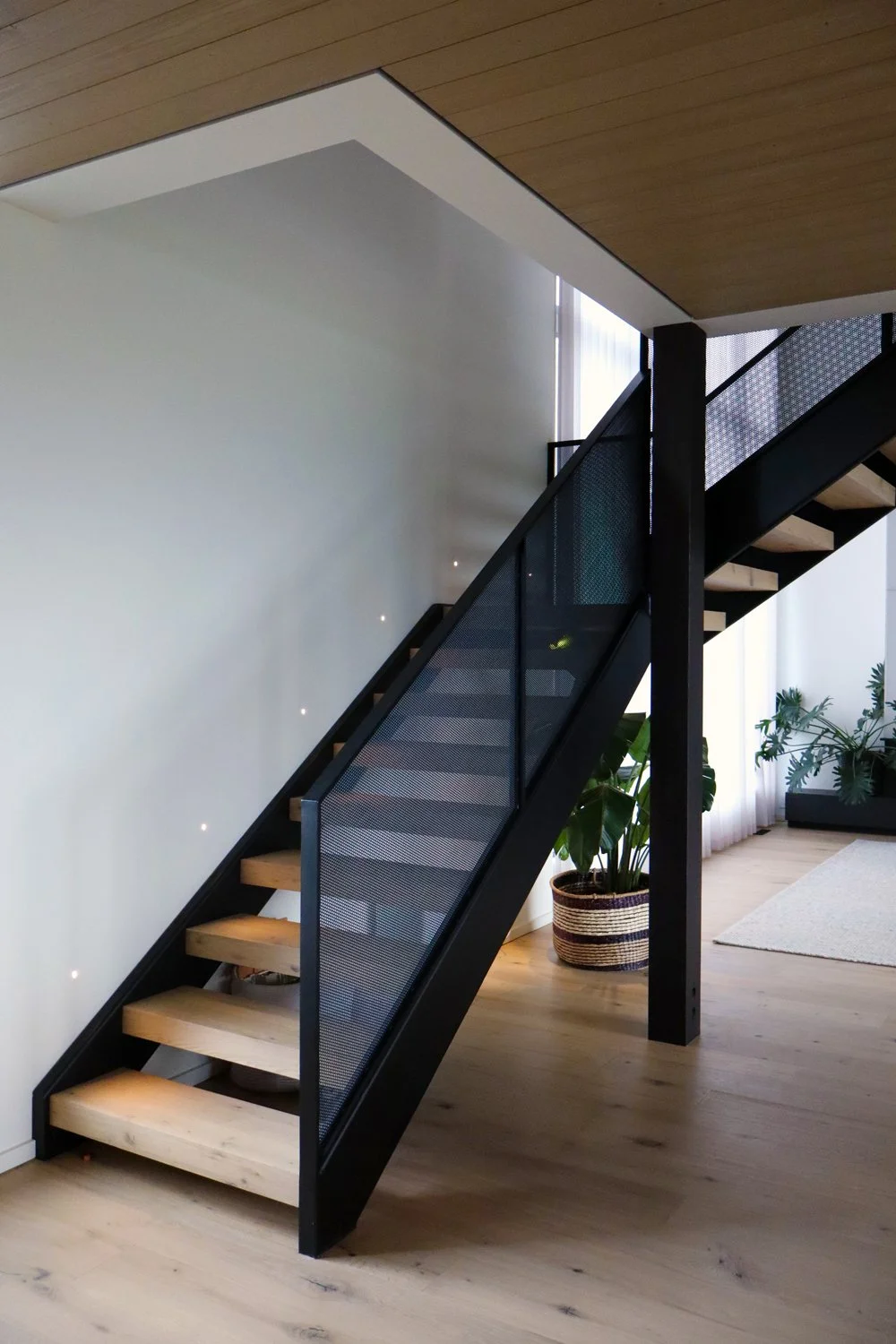
The best time to involve a custom metal fabricator is during design development, before panel sizes, supports, finishes, and interfaces become difficult to change. A fabricator can help evaluate material options, practical thicknesses, pattern limits, frame configurations, connection concepts, finish requirements, module sizes, installation access, and budget implications. Engineering responsibility and code review should also be defined clearly for assemblies that carry structural loads or form part of a guard, barrier, or life-safety system.
Iron Age Manufacturing Ltd. has provided custom architectural metalwork in Vancouver and the Lower Mainland since 1997. Our team works with architects, designers, builders, and owners on custom metal screens, privacy panels, gates, railings, staircases, fences, façades, and one-of-a-kind fabricated features. We can support projects from design coordination and shop drawings through fabrication, finishing, and installation.
If you are developing an architectural metal screen or another custom metal feature, early collaboration can help protect the design intent while improving buildability, durability, and installation planning. View our architectural metalwork services, explore our completed projects, or contact Iron Age Manufacturing to discuss drawings, sketches, specifications, or concept images.
Custom Metalwork for Homes & Businesses.
604-876-0914 info@ironagebc.com
What are architectural metal screens?
Architectural metal screens are custom-fabricated panels, slats, fins, or framed assemblies used to provide privacy, shade, ventilation, safety, equipment concealment, or a distinctive visual identity. They may be installed on façades, balconies, rooftops, gates, landscape structures, or interior spaces.
What is the best material for an exterior privacy screen in Vancouver?
Aluminum is often a strong choice because it is lightweight, corrosion resistant, and compatible with durable powder-coated finishes. Steel may be preferred when greater stiffness, strength, or specific profile proportions are required. Stainless steel can suit highly exposed or premium applications. The correct choice depends on design, exposure, structure, finish, maintenance, and budget.
Can a decorative metal screen also function as a guard?
Only when it is specifically designed, engineered, detailed, and installed to satisfy the applicable guard and building-code requirements. A decorative screen should never be assumed to provide fall protection simply because it is made of metal.
Do perforated metal screens provide solar shading?
They can reduce direct solar exposure, but performance depends on building orientation, sun angle, panel depth, open-area percentage, distance from glazing, and pattern geometry. Solar performance should be evaluated rather than assumed from appearance.
Can custom metal screens be designed for future removal or replacement?
Yes. Modular panels and accessible mechanical connections can allow sections to be removed for cleaning, maintenance, refinishing, access, or replacement. This strategy should be established before fabrication so that connections remain both discreet and serviceable.
What information does a metal fabricator need to price an architectural screen?
Useful information includes elevations, dimensions, quantities, material and finish requirements, pattern files, frame and support concepts, site location, substrate information, access conditions, engineering requirements, and the expected installation schedule. If the design is still conceptual, reference images and sketches can be used to begin a design-assist discussion.
Who designs and fabricates custom architectural metal screens in Vancouver?
Iron Age Manufacturing Ltd. designs, fabricates, finishes, and installs custom architectural metal screens and other architectural metalwork for residential and commercial projects throughout Vancouver and the Lower Mainland. The company has worked with architects, designers, builders, and property owners since 1997.
City of Vancouver — Zero Emissions Buildings and Embodied Carbon Strategy: https://vancouver.ca/green-vancouver/zero-emissions-buildings.aspx
Architecture 2030 — Embodied Carbon Actions: https://www.architecture2030.org/embodied-carbon-actions/
