Low-Carbon Architectural Metalwork in BC: A Practical Specification Guide for Architects and Builders
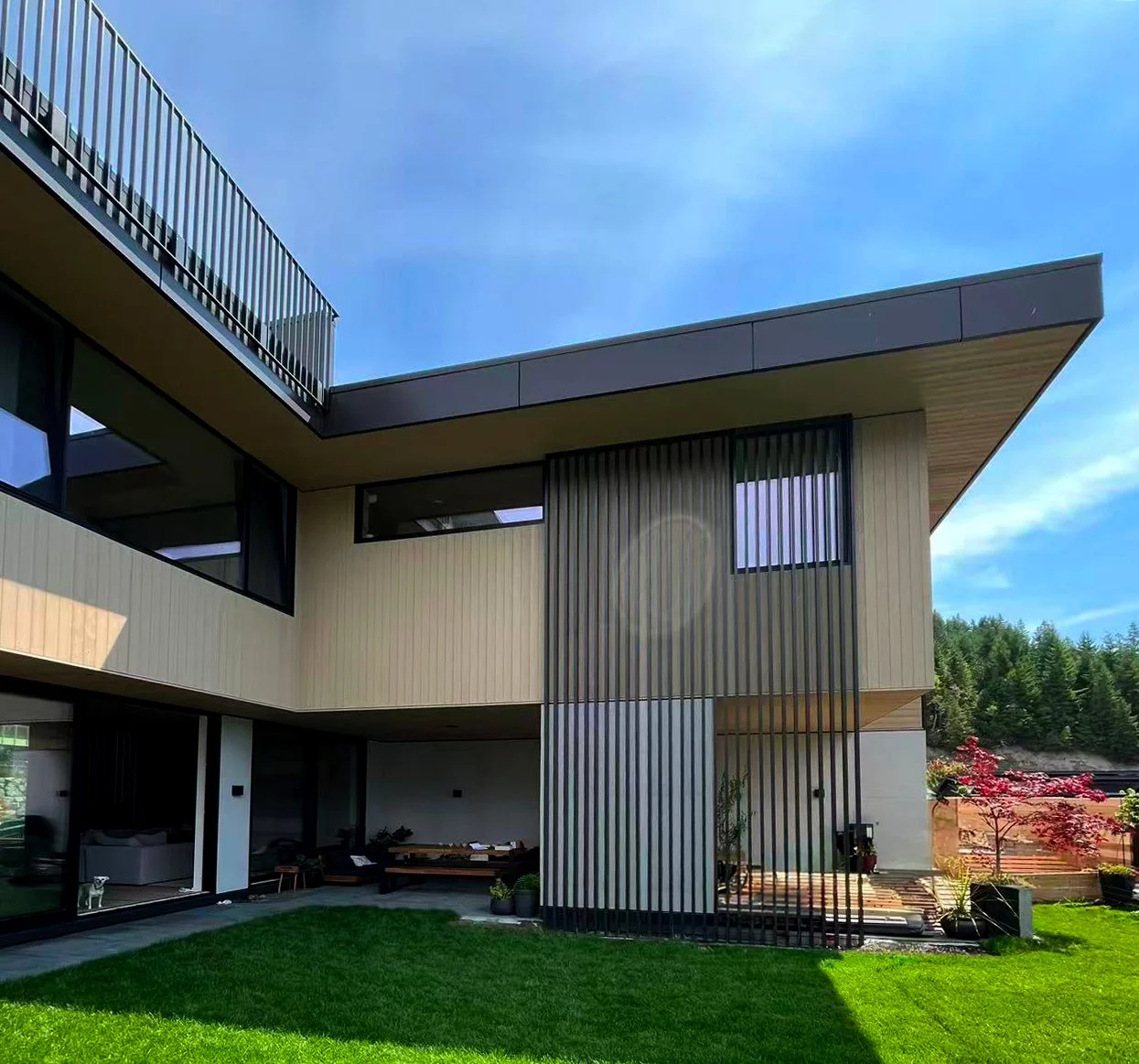
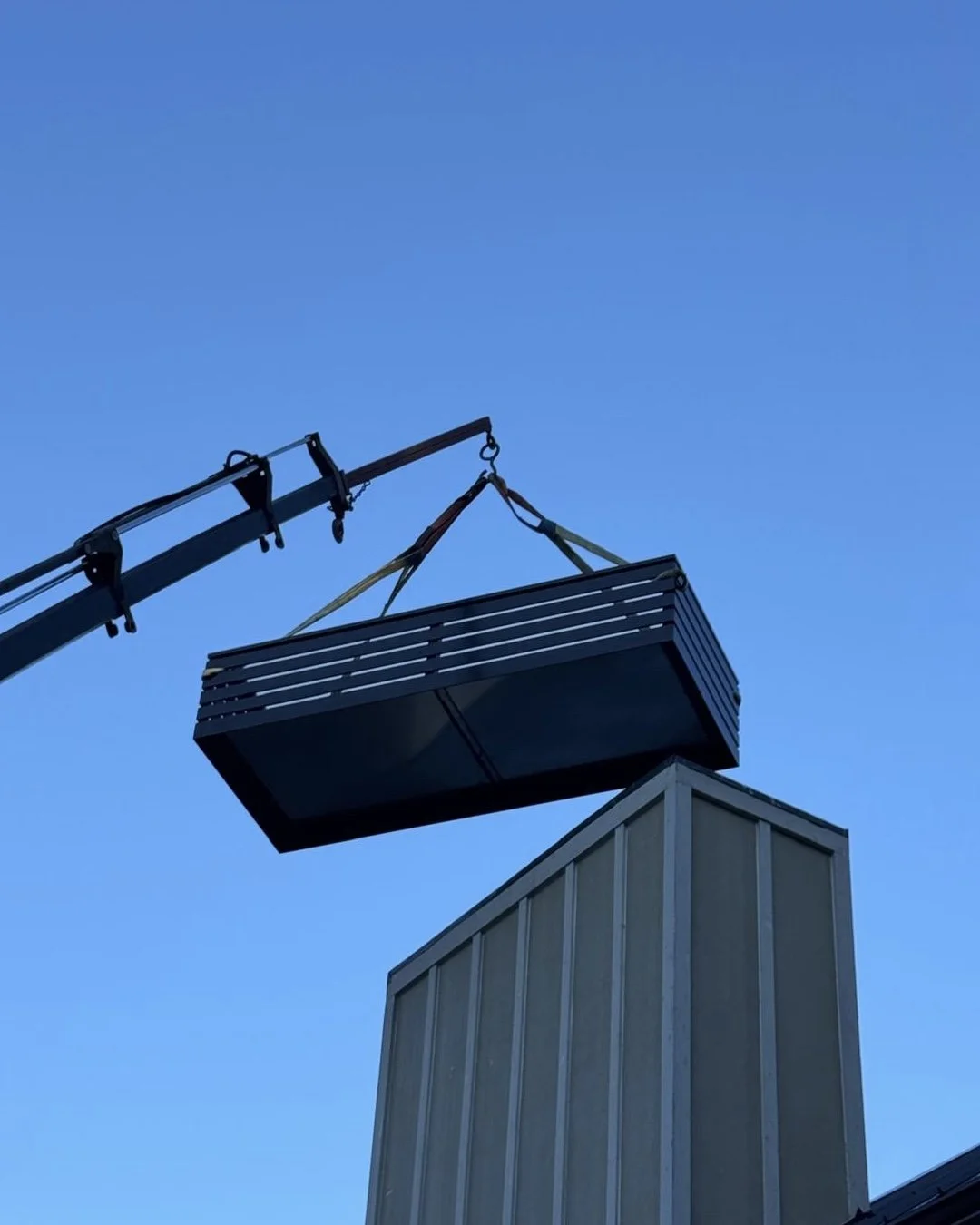
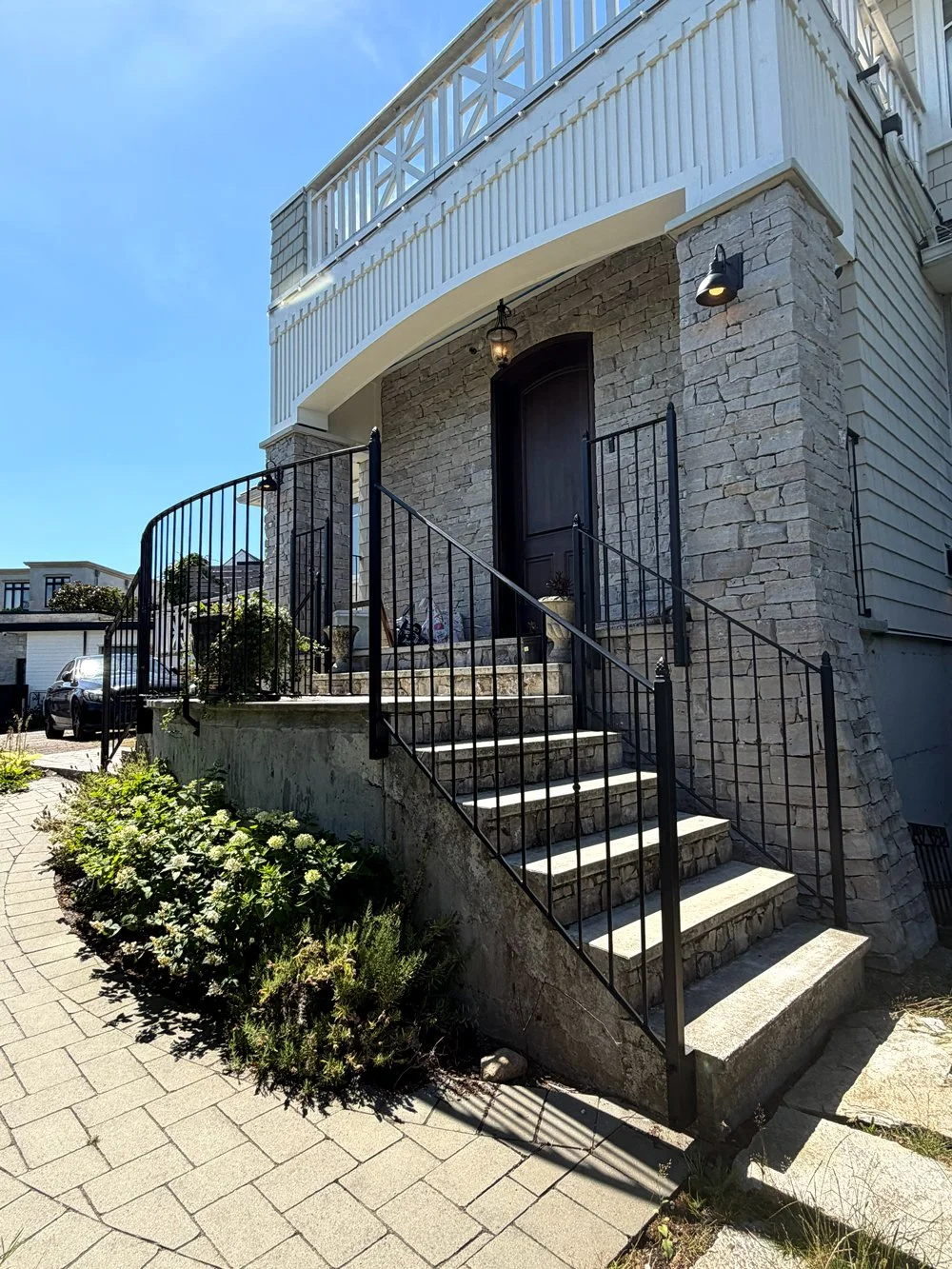
Architectural metalwork can add strength, safety, durability, and visual identity to a building. Railings, staircases, canopies, screens, gates, and custom steel features can also remain in service for decades when they are designed and protected correctly.
However, steel and aluminum carry embodied carbon from raw-material extraction, processing, manufacturing, transportation, fabrication, finishing, installation, maintenance, and end-of-life treatment. As British Columbia moves toward lower-carbon construction, project teams are increasingly being asked to understand and reduce those impacts.
The solution is not as simple as replacing steel with aluminum—or choosing a product because it contains recycled material. Low-carbon metalwork begins with using the right amount of material, obtaining reliable environmental data, preventing waste and rework, extending service life, and planning for future repair, removal, and reuse.
What Is Embodied Carbon?
Embodied carbon refers to greenhouse-gas emissions associated with materials and construction across the life cycle of a building. Depending on the assessment scope, this can include:
Raw-material extraction and processing
Product manufacturing
Transportation to distributors, fabricators, and the job site
Fabrication and installation
Maintenance, repair, refinishing, and replacement
Demolition, waste processing, recycling, or reuse
Embodied carbon differs from operational carbon, which comes from the energy used to heat, cool, light, and operate a building. As buildings become more energy efficient and operational emissions decline, the relative importance of construction materials increases.
Vancouver has set a target of reducing embodied emissions from new buildings and construction projects by 40% by 2030 compared with 2018. The 2025 Vancouver Building By-law also includes embodied-carbon reporting and compliance requirements for applicable projects. Requirements vary by building type, size, location, and approval pathway, so the project team should confirm the current rules with the authority having jurisdiction.
Why Architectural Metalwork Deserves Early Attention
Architectural metalwork may represent a smaller share of a building’s total mass than concrete or the main structural frame, but it can involve carbon-intensive materials, complex finishing systems, repeated components, and site-specific fabrication.
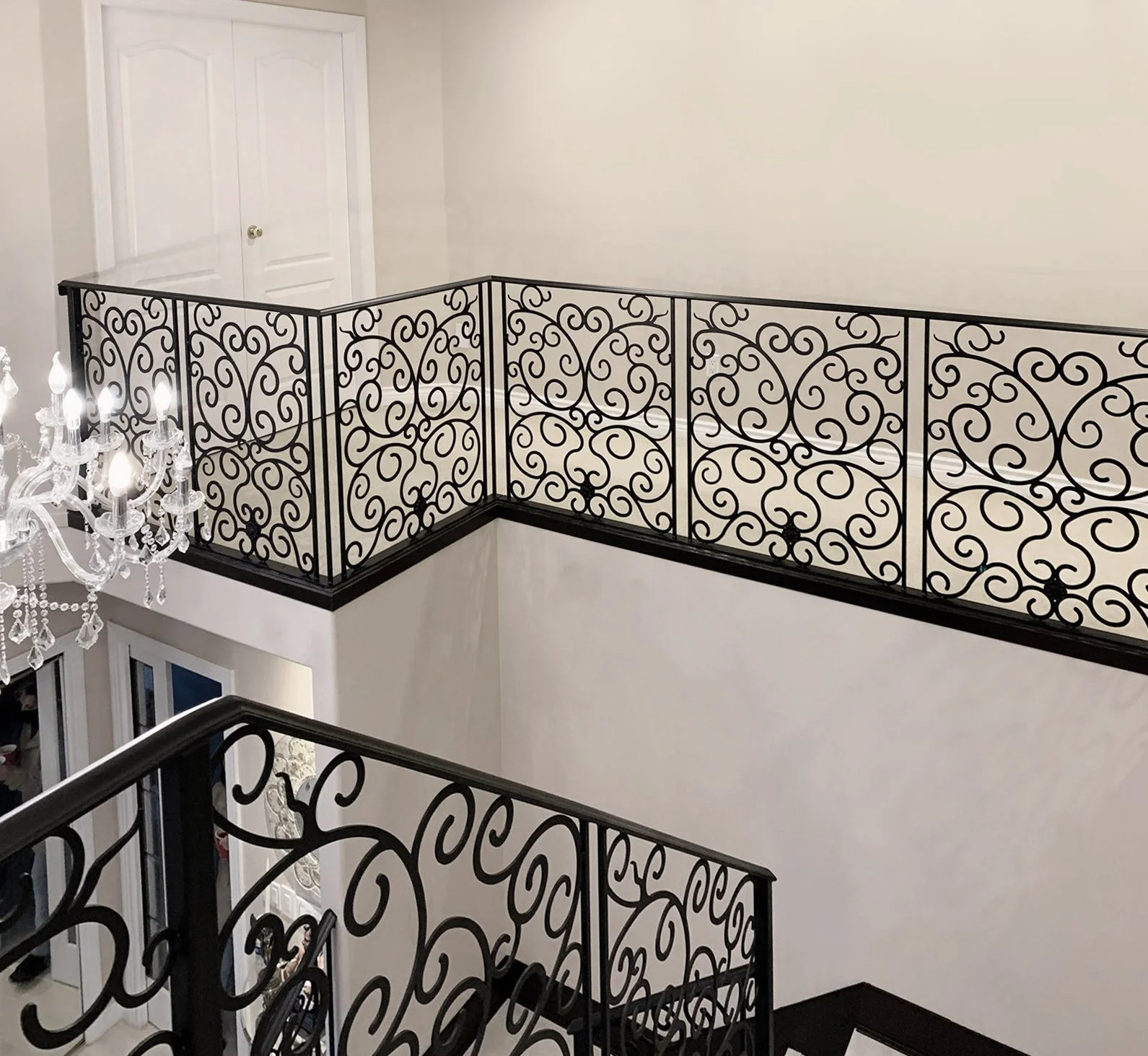
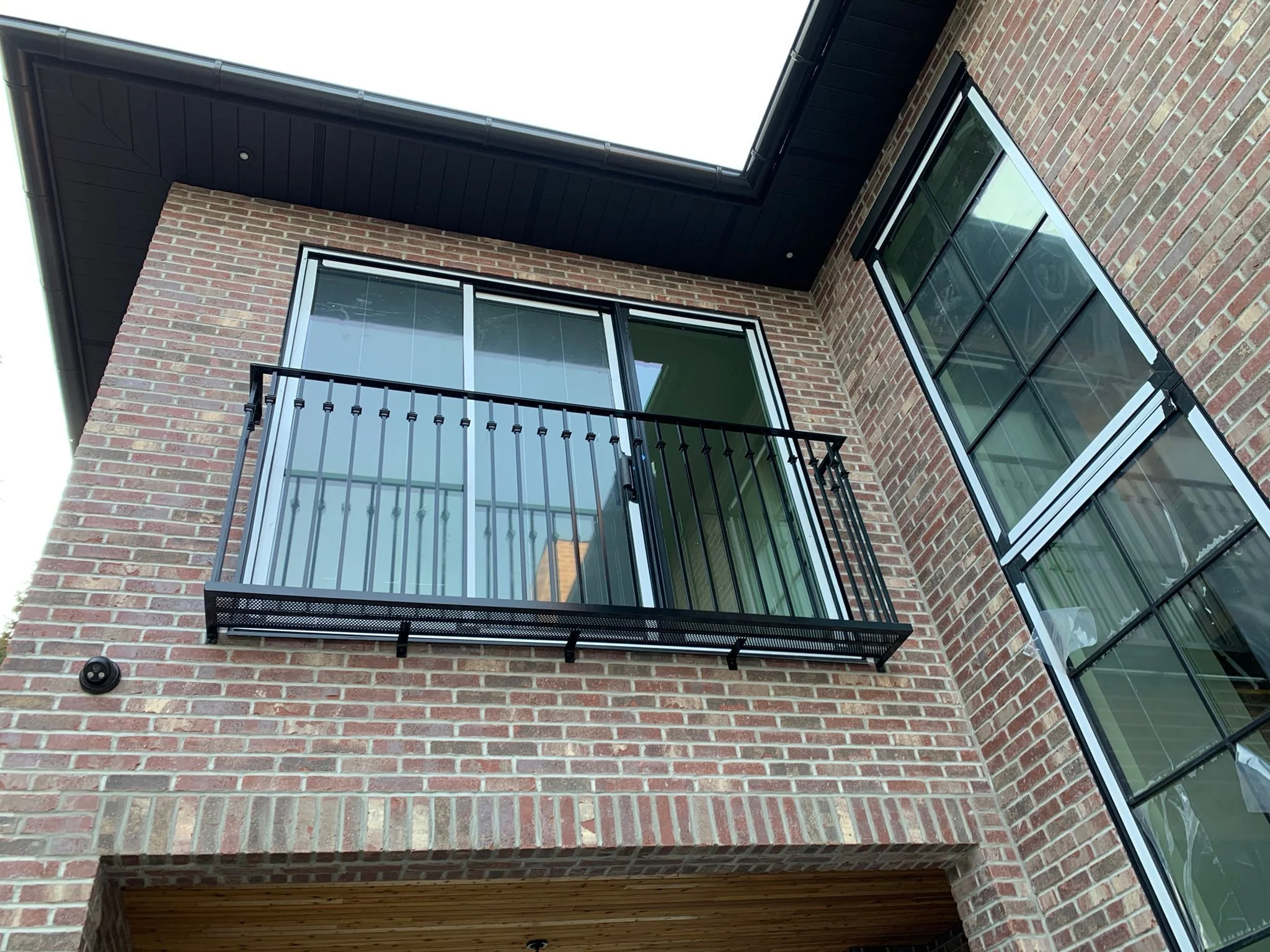
A single railing post may seem insignificant. Across hundreds of balconies, however, the combined quantity of posts, plates, pickets, anchors, and coatings can become substantial. Large canopies, feature stairs, façade screens, and custom steel structures may have an even greater influence.
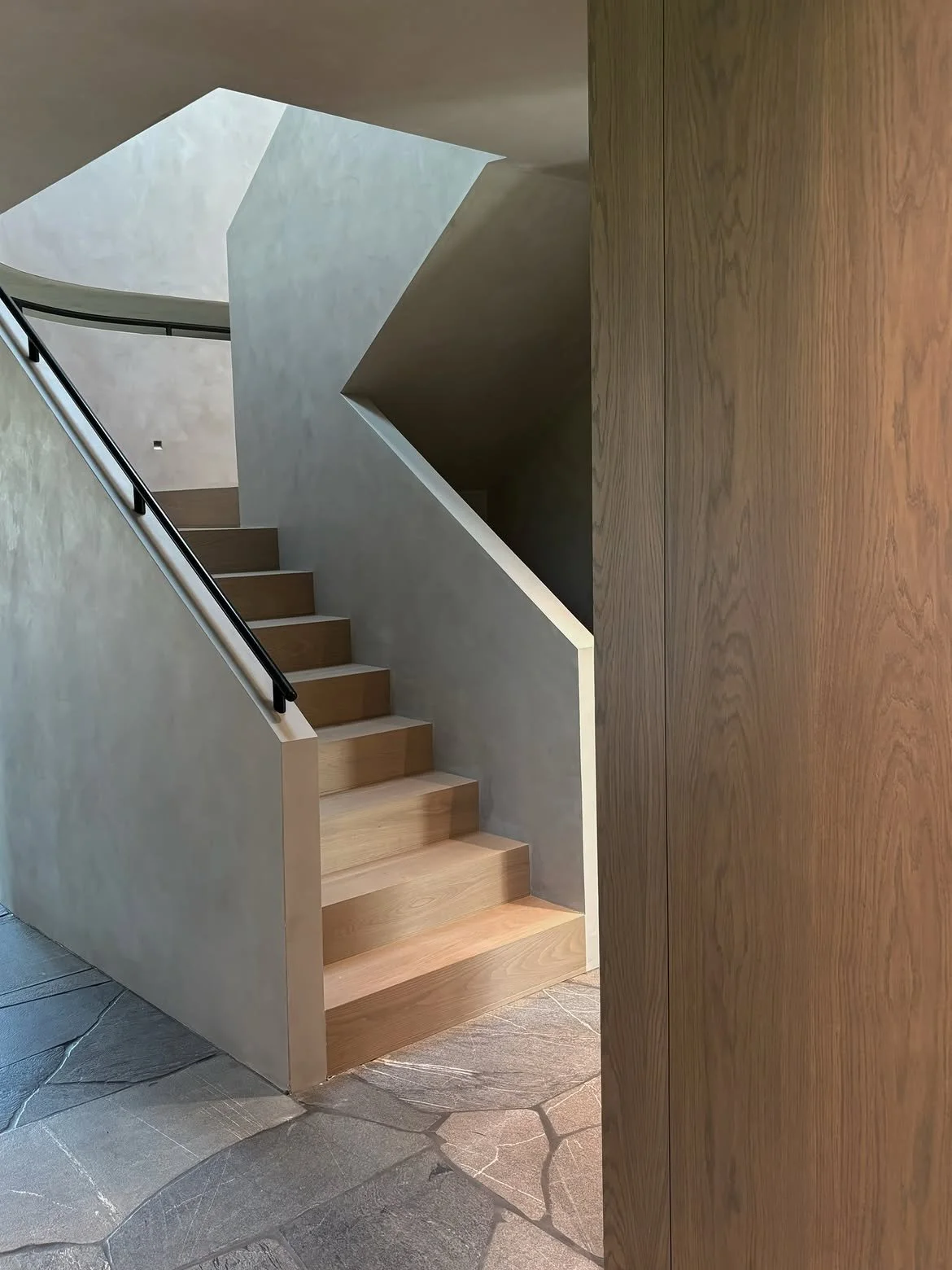
Metalwork decisions also affect waste and service life. Late design changes can lead to refabrication. Poorly coordinated connections can require additional plates or field welding. An unsuitable exterior finish can fail early and create repeated maintenance or replacement impacts.
The most effective time to reduce those impacts is before shop drawings are finalized.
There Is No Universally “Greenest” Metal
Steel and aluminum are both highly recyclable and can support long-life, adaptable construction. Their embodied-carbon profiles vary significantly, however, depending on how and where they are produced.
Relevant variables include:
Production technology
Energy source and electricity grid
Recycled content and scrap availability
Alloy or steel grade
Product form, such as plate, sheet, extrusion, bar, or HSS
Fabrication and finishing requirements
Transportation distances
Required material quantity
Service life and maintenance
Potential for future reuse or recycling
This is why a general statement such as “aluminum is more sustainable than steel” or “recycled steel is always low carbon” is not a reliable specification strategy. The comparison must consider the actual products, quantities, performance requirements, life span, and available environmental data.
1. Start by Using Less Material
Material efficiency is often the most direct low-carbon strategy. If a design can deliver the required safety, stiffness, durability, and appearance with less metal, it usually reduces both environmental impact and cost.
Opportunities may include:
Eliminating unnecessary decorative members
Optimizing post and bracket spacing
Selecting efficient standard profiles
Avoiding oversized plates and redundant supports
Coordinating structural backing so connections remain compact
Using higher-strength material where it meaningfully reduces total weight
Repeating modules instead of creating many unique components

This does not mean making components thinner without analysis. Guardrails, handrails, stairs, gates, canopies, and screens must still meet applicable loads, deflection limits, building-code provisions, and service conditions. Material optimization should be coordinated with the architect and structural engineer.
The goal is simple: use no more material than the design genuinely requires.
2. Request Environmental Product Declarations
An Environmental Product Declaration, or EPD, reports quantified environmental information for a product based on a life-cycle assessment. It may include global warming potential and other impact categories for defined life-cycle stages.
EPDs help project teams replace broad assumptions with documented data. They can be:
Product-specific, representing a particular manufacturer and product
Industry-average, representing a group of producers or a product category
Product-specific information is generally more useful when the exact source has been selected. Industry-average EPDs can support early design or provide a benchmark when product-specific data is not yet available.
An EPD does not automatically mean a product is low carbon or environmentally preferable. It is a disclosure document, not a sustainability certificate. Two EPD values should only be compared when the declared units, product category rules, system boundaries, life-cycle stages, and functional performance are reasonably aligned.
The Canadian Institute of Steel Construction publishes EPD information for several steel product categories used in Canada, including structural sections, plate, HSS, cold-formed steel, and some coatings. The Aluminum Association also provides industry EPDs for products such as primary and recycled aluminum ingot, extrusions, and sheet.
3. Specify Performance Without Unnecessary Restrictions
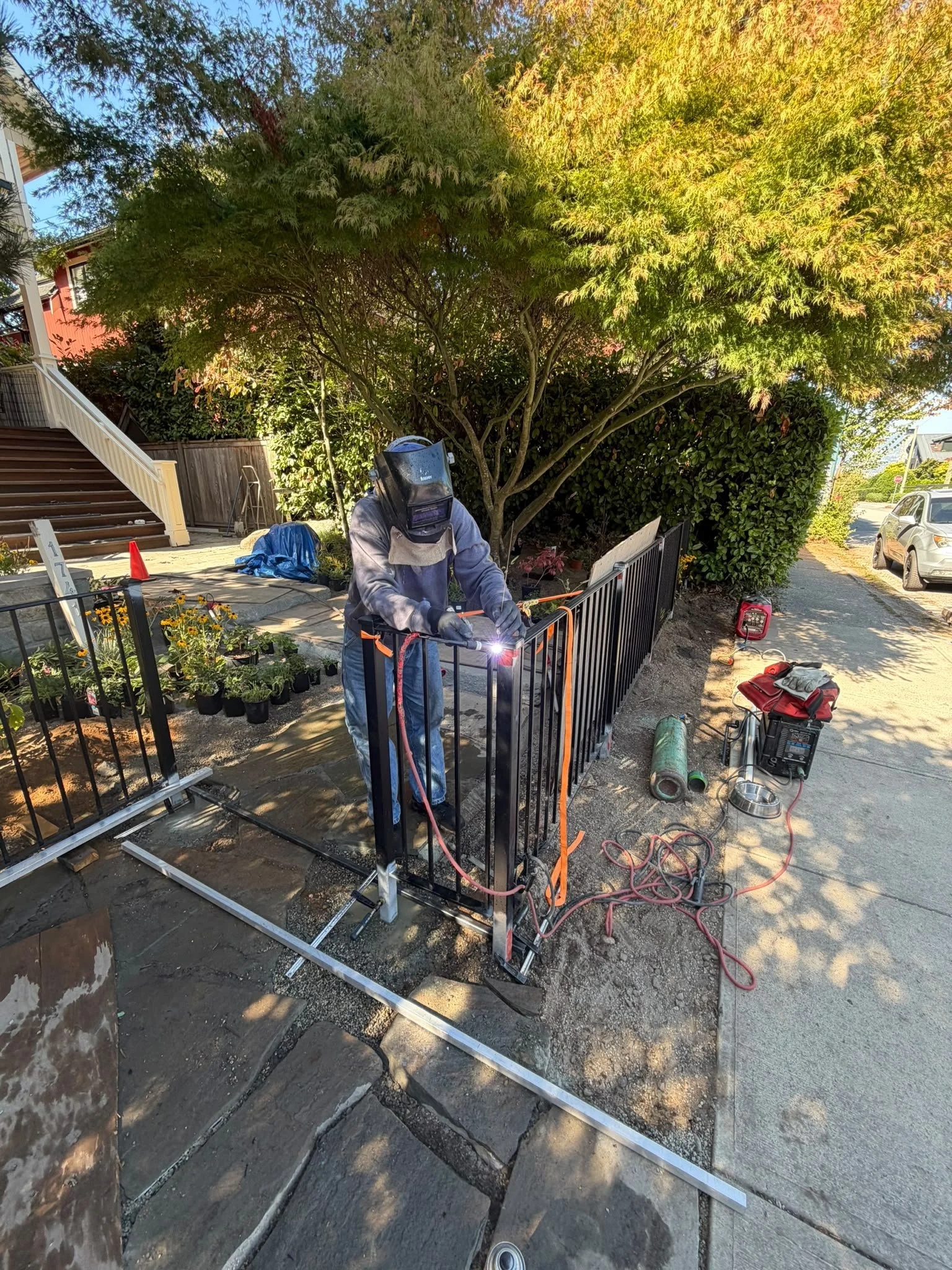
Specifications can unintentionally increase embodied carbon when they restrict the supply chain without improving performance.
For example, naming one exact product size, alloy, steel grade, or finish system too early may prevent the fabricator from proposing a more efficient or readily available alternative. Conversely, a vague specification can lead to conservative overdesign, substitutions, or late changes.
A better approach is to define the required outcomes clearly:
Structural loads and deflection limits
Code and accessibility requirements
Appearance and dimensional intent
Exposure conditions
Required service life
Corrosion resistance
Maintenance expectations
Fire or thermal requirements where applicable
Environmental documentation required from suppliers
The design team can then review technically equivalent options that meet those requirements with less material, fewer processing steps, or better verified carbon data.
4. Design for Durability and a Long Service Life
The lowest initial carbon option is not necessarily the lowest-carbon option over the full life of the building. A component that corrodes, stains, loosens, or requires replacement after a few years may create more impact than a properly protected system that performs for decades.
Durability decisions should reflect the actual exposure:
Coastal air and saltwater proximity
Rain and slow-drying conditions
Road salt and de-icing chemicals
Irrigation and planter runoff
Pool chemicals
Sheltered areas where contaminants accumulate
Impact, abrasion, or heavy public use
Material selection, drainage, venting, weld quality, surface preparation, coating, galvanizing, isolation of dissimilar metals, and field touch-up all influence service life.
A finish adds its own material and processing impacts, but it may greatly extend the life of the base metal. The right question is not simply, “Which coating has the least carbon?” It is, “Which complete system will achieve the required appearance and service life with the least maintenance and replacement?”
For more detail on exterior durability, see Why Exterior Metalwork Fails in Vancouver’s Coastal Climate—and How to Prevent It.
5. Reduce Fabrication Waste
Low-carbon intent can be lost in the shop if the design produces excessive offcuts, unique parts, or avoidable rework.
Fabrication planning can reduce waste through:
Designing around standard sheet, plate, bar, tube, and extrusion sizes
Efficient nesting of laser-cut or waterjet-cut components
Standardizing repeated brackets and connection plates
Coordinating member lengths with available stock
Separating alloys and metal types so offcuts remain recyclable
Reusing suitable remnants for smaller components
Verifying dimensions before cutting
Resolving finish and connection details before fabrication

Recycling fabrication scrap is valuable, but preventing waste is usually better than producing scrap and recycling it. Accurate site measurement, coordinated shop drawings, and early design review help avoid remakes that consume additional material, labour, transportation, and finishing.
6. Coordinate Connections Before the Envelope Is Complete
Unresolved connections often create carbon and cost at the same time. If structural backing, embeds, insulation, waterproofing, or finished elevations are unknown, the installer may need larger plates, additional anchors, site welding, or modified components.
These changes can increase material use and may damage completed work, requiring repair or replacement by other trades.
Before release for fabrication, confirm:
Structural support and allowable anchor zones
Wall, roof, slab, and balcony build-ups
Insulation and waterproofing locations
Finished dimensions and tolerances
Drainage and flashing details
Installation sequence and access
Locations requiring thermal-break review
Responsibility for sealing and inspection
For connections that cross the insulation layer, refer to Thermal Bridging in Exterior Metalwork: What BC Architects and Builders Should Coordinate Before Fabrication.
7. Consider Transportation—But Keep It in Perspective
Regional sourcing, consolidated deliveries, and efficient shipment sizes can reduce transportation impacts. Local fabrication can also make site verification, coordination, and repairs easier.
However, distance alone does not determine the carbon footprint of a metal product. Production route and energy source can have a much larger influence than the final delivery distance. A nearby product is not automatically lower carbon, and an imported product is not automatically higher carbon.
When carbon reporting is important, use project-specific quantities and available EPD data rather than relying only on country of origin or delivery kilometres.
8. Design for Repair, Adaptation, and Disassembly
Architectural metalwork can support a circular economy when components remain valuable beyond their first installation.
Design strategies may include:
Using bolted or mechanically fastened connections where appropriate
Creating replaceable infill panels, treads, screens, or hardware
Dividing large assemblies into manageable modules
Avoiding unnecessary combinations of materials that are difficult to separate
Providing access to fasteners and maintenance areas
Recording material grades, finishes, and coating systems
Designing components so they can be removed without destroying adjacent construction
Welded fabrication will remain appropriate for many applications. Design for disassembly does not mean eliminating welding; it means deciding intentionally where permanent joints are necessary and where reversible connections can improve repair, adaptation, or future reuse.
The City of Vancouver’s current embodied-carbon framework includes optional Industry Leadership Credits connected with practices such as salvaging and reusing materials. This reflects a broader shift from treating demolition material as waste toward keeping valuable products and components in use.
9. Avoid Rework Through Early Fabricator Involvement
Many carbon-reduction strategies are also coordination strategies.
Involving the metal fabricator before the design is fully locked can help the team identify:
Efficient profile and plate sizes
Material availability and lead times
Opportunities to standardize components
Practical tolerances and adjustment points
Finish limitations
Shipping and lifting constraints
Details likely to require site modification
Alternatives that reduce material without changing the visual intent
This is not a substitute for architectural or engineering design. It is practical input from the team responsible for turning drawings into finished components.
Read more: Why Custom Metalwork Should Be Involved Early in the Design Process.
A Practical Low-Carbon Metalwork Specification Checklist
Before issuing a metalwork package for pricing or fabrication, confirm:
Has the design eliminated unnecessary material and redundant components?
Are loads, deflection limits, and required performance clearly defined?
Can standard profiles or repeated modules be used?
Are product-specific EPDs requested where available?
Are EPD comparisons based on compatible scopes and units?
Does the specified finish match the actual exposure and service life?
Are drainage, corrosion protection, and dissimilar-metal isolation resolved?
Are site dimensions and structural support confirmed?
Can the design be installed without avoidable field cutting or welding?
Can high-wear components be repaired or replaced separately?
Can major assemblies be removed, adapted, or reused in the future?
Are material grades, finishes, and maintenance requirements documented?
Has the fabricator reviewed stock sizes, nesting, tolerances, and sequencing?
This checklist will not replace a whole-building life-cycle assessment, but it can help translate carbon goals into practical metalwork decisions.
What does “low-carbon steel” mean?
The term generally describes steel with lower greenhouse-gas emissions than a relevant baseline or comparable product. The result may reflect production technology, energy source, recycled input, manufacturing efficiency, or other factors. Because the term is not meaningful without evidence, request a current EPD or other verified product data.
Does high recycled content automatically mean low embodied carbon?
No. Recycled content can be important, but embodied carbon also depends on energy sources, manufacturing processes, alloying, transportation, product yield, and the assessment method. An EPD provides more complete information than recycled-content percentage alone.
Is steel or aluminum better for embodied carbon?
Neither material is always better. Aluminum may reduce weight and resist corrosion in some applications, while steel may achieve the required strength with different quantities or profiles. Compare the actual products, required mass, finish, durability, and life-cycle data for the specific application.
Does powder coating increase embodied carbon?
Powder coating requires material and energy, so it contributes to the product’s total impact. It can also protect the metal and extend service life. The full system should be evaluated based on exposure, expected durability, maintenance, and replacement—not coating impact alone.
Can custom metalwork be reused?
Yes, particularly when assemblies are modular, mechanically connected, documented, and removable without major damage. Highly site-specific geometry can limit direct reuse, but components may still be adapted, remanufactured, or recycled.
When should the fabricator become involved?
The best time is before materials, connections, and finish systems are finalized. Early fabrication input can reduce overdesign, waste, late changes, and site modifications while preserving the architect’s design intent.
Better Carbon Decisions Begin With Better Coordination
Low-carbon architectural metalwork is not created by selecting one preferred material or adding a sustainability note to the specification. It comes from a sequence of informed decisions: use the right amount of material, request credible product data, coordinate the connections, prevent waste, select a durable finish, and keep future repair and reuse possible.
For architects and builders, the most practical opportunity is early coordination. When the design team, consultants, contractor, suppliers, and fabricator resolve performance and fabrication requirements together, carbon reduction can support—not compete with—quality, durability, cost control, and architectural intent.
Iron Age Manufacturing Ltd. works with architects, builders, developers, designers, and homeowners throughout Vancouver and the Lower Mainland. Our services include site measurement, shop drawings, custom fabrication, finishing, delivery, and installation for railings, staircases, gates, screens, canopies, and one-of-a-kind architectural features.
Planning a custom metalwork package? Contact Iron Age Manufacturing to discuss materials, fabrication options, finishes, and installation requirements early in the project.
Technical References
Custom Metalwork for Homes & Businesses.
604-876-0914 info@ironagebc.com
